



Why Are Martial Arts So Important in Japan?
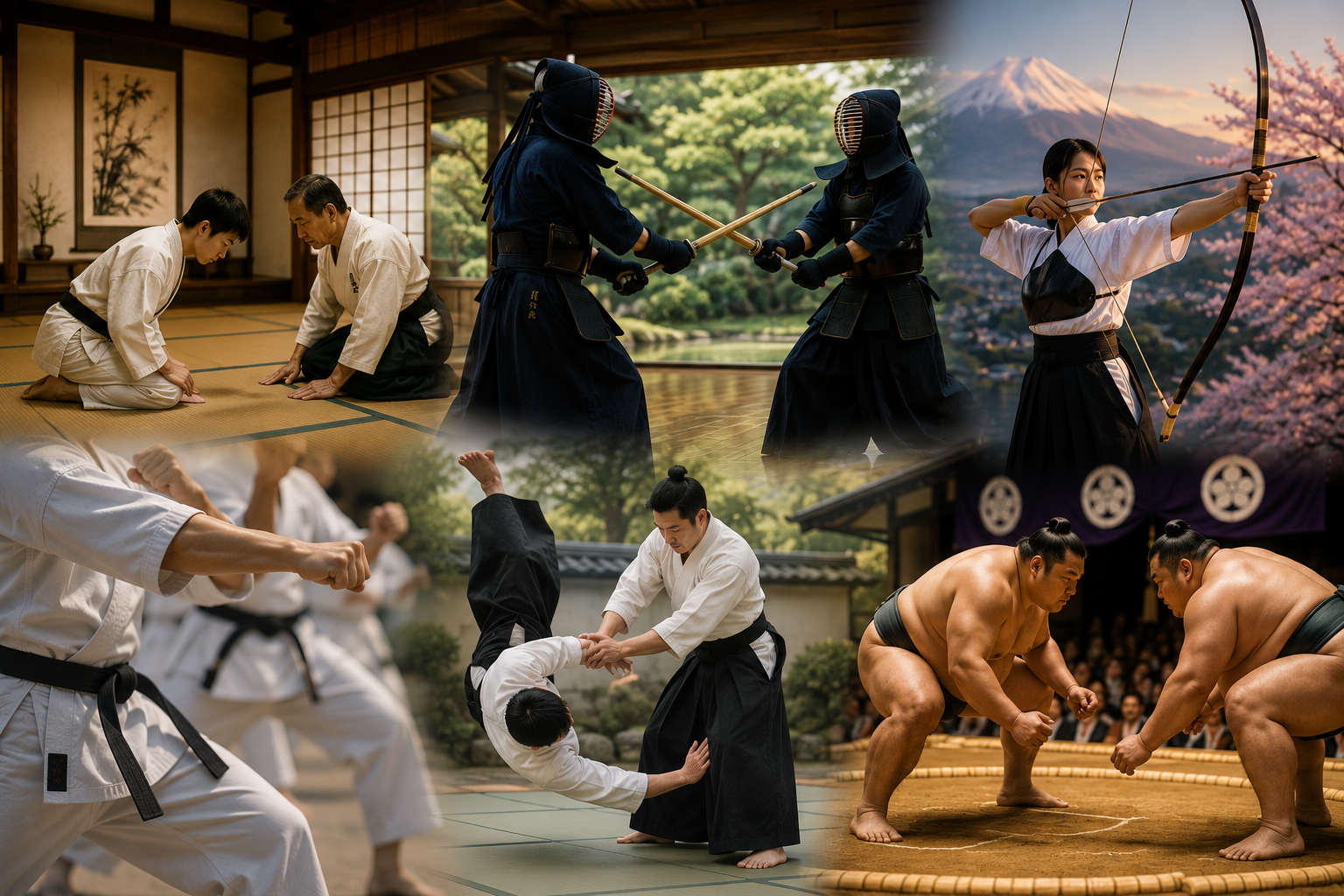
When people think of Japan, traditional martial arts such as judo, karate, kendo, aikido, kyudo, and sumo are among the most important cultural elements that come to mind. However, in Japanese society, these disciplines are not practiced solely for self defense or competition. They are also closely associated with respect, discipline, patience, and character development.
From Combat Techniques to a Philosophy of Life
The origins of Japanese martial arts can be traced back to the techniques used by samurai on the battlefield. Over time, as the nature of warfare changed, these methods evolved from physical combat practices into systems aimed more at mental and moral development.
This philosophy is known as budo, meaning “the way of the warrior.” In budo, the main goal is not simply to defeat an opponent, but to control one’s own fears, impatience, and anger.
Why Are Respect and Discipline Important?
The training halls where martial arts are practiced are called dojo. Students bow when entering the dojo and show respect to their instructors and training partners.
This behavior serves as a reminder that the person in front of them is not an enemy, but a training partner who contributes to their personal development. During practice, it is highly important to follow the rules, use equipment properly, remain humble in victory, and stay calm in defeat.
Key Characteristics of Japanese Martial Arts
Each martial art has its own unique approach:
Their Place in Education and Daily Life
Martial arts in Japan are not practiced only in private training centers. They also hold an important place in schools, universities, and student clubs.
Through this training, students develop not only physical endurance but also patience, responsibility, teamwork, and the ability to learn from defeat.
Japan’s Cultural Presence Around the World
Today, Japanese martial arts are practiced in many countries around the world. Through judo, karate, aikido, and kendo, millions of people learn not only combat techniques but also the Japanese values of respect, discipline, and harmony.
In Japan, martial arts are not merely a way to gain physical strength. These disciplines aim to develop the mind and character as much as the body.
For this reason, the true success in Japanese martial arts is not simply defeating an opponent, but becoming a slightly better version of oneself every day.