



Japan and the Olympic Games: Historical Development and Global Impact
Japan plays a critical role in sports history as a pioneer and one of the most consistent supporters of the Olympic movement in Asia. Having successfully hosted both the Summer and Winter Olympic Games, the country has used these events not only as sporting occasions but also as a platform to showcase its technological capabilities and cultural transformation to the world.
Japan’s Olympic Timeline
Tokyo 1964: A Symbol of Modernization
In 1964, Japan became the first country in Asia to host the Olympic Games with Tokyo.
Sapporo 1972 and Nagano 1998: Expertise in Winter Sports
Japan demonstrated its organizational capabilities in winter sports in two different periods:
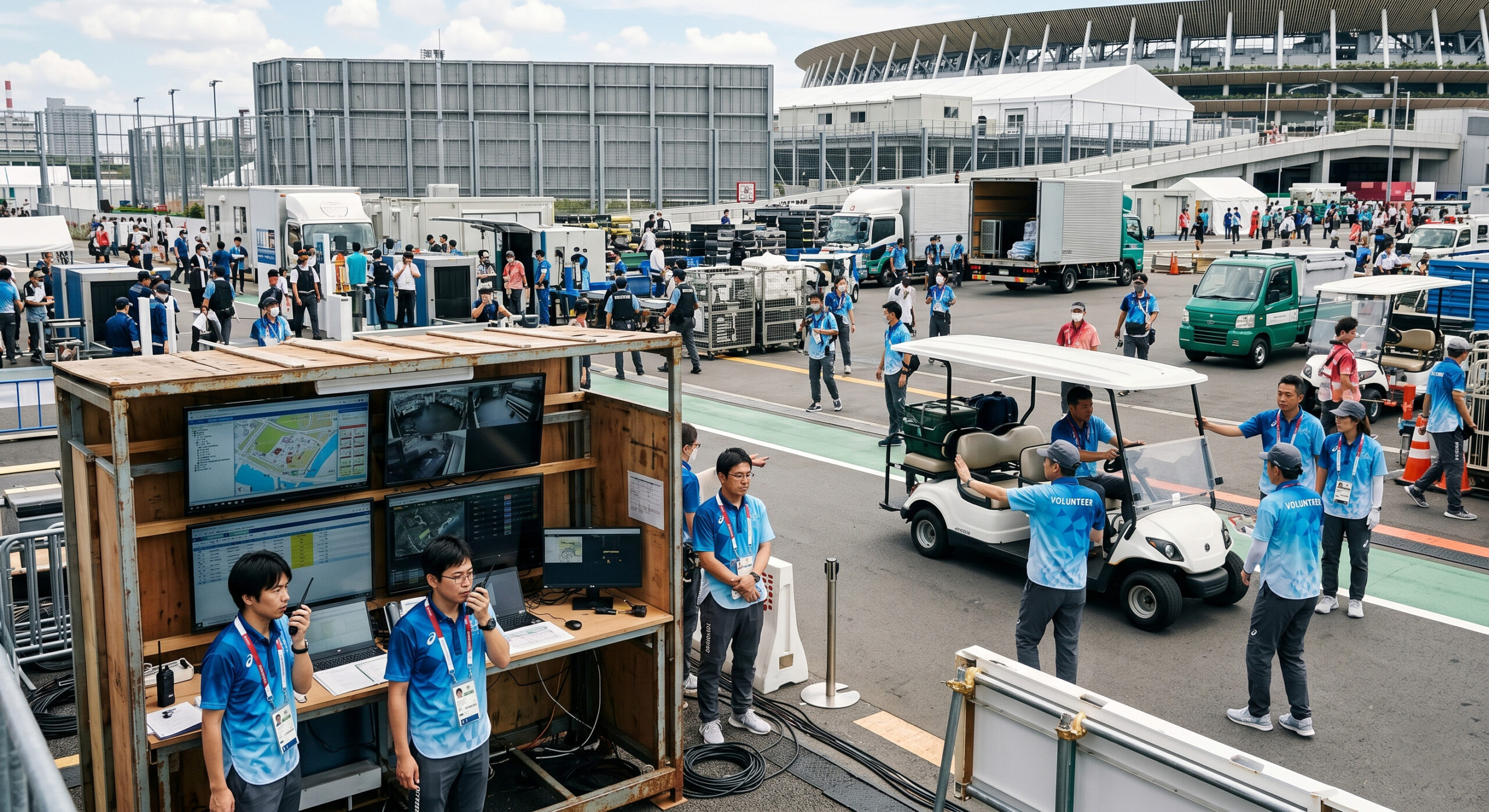
Tokyo 2020 (2021): Resilience and Technology
Held under the shadow of the pandemic, Tokyo 2020 became a symbolic event representing “humanity’s resilience in the face of challenges.”
Strategic Impacts of the Olympic Games on Japan
The Olympics have driven Japan’s urban transformation and the development of sports facilities to meet international standards. From the Shinkansen (high-speed train) revolution in 1964 to the sustainable architectural stadiums of 2020, each event has left lasting legacies that contribute to social welfare.
Each hosted event has increased Japan’s “soft power” capacity. Japanese technology, its concept of hospitality (Omotenashi), and its discipline have been directly conveyed to billions of viewers through these Games.
The inclusion of local disciplines such as judo in the Olympic program has played a significant role in exporting Japanese culture to the world. This is considered not only a sporting achievement but also a success in cultural diplomacy.
Japan’s Olympic journey reflects the determination of a nation rising from its ashes, its technological leadership, and its deep commitment to sports. Each Games has reinforced Japan’s international prestige while building a rich physical and cultural legacy for future generations.