



A closer look at the discipline, nutrition, and cultural mindset behind Japan’s athletic tradition, especially for those considering studying in Japan.
|
84.3 Average Life Expectancy in Japan (Years) |
2. Ranking of Countries with the Longest Life Expectancy |
100+ Number of Active Athlete Age Records |
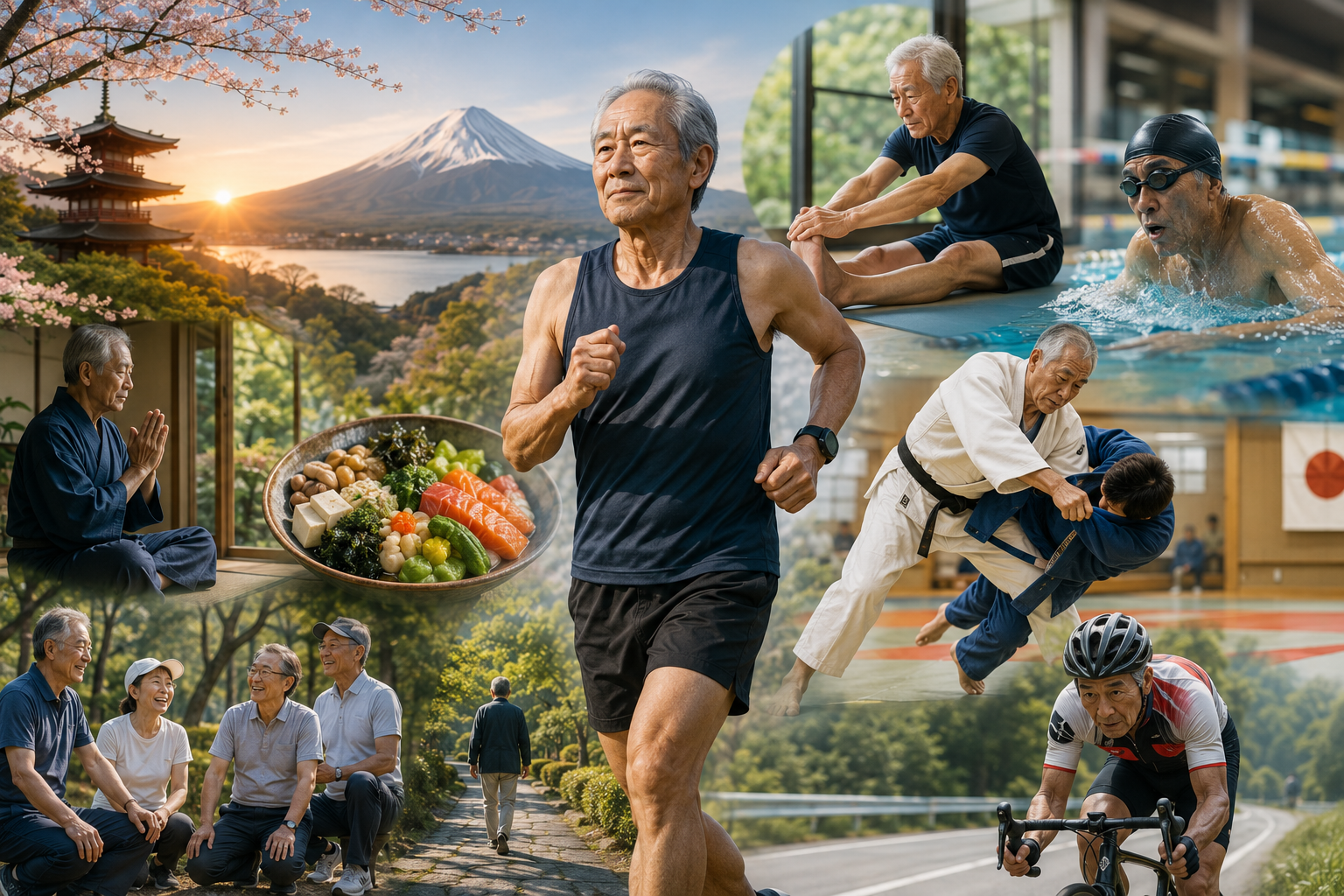
Japan has long been home to some of the world’s longest-living people. However, this is not simply the result of medical progress or genetics. The Japanese approach to sports and physical activity is rooted in a deep cultural understanding that sees staying active even in old age as a virtue. Taking a closer look at this mindset can be especially insightful for those considering studying or living in Japan.
The concept of ikigai, which means “reason for living” in Japanese, lies at the heart of healthy aging in Japanese society. For older Japanese athletes, movement becomes less about performance or competition and more about finding meaning and staying connected to the community.
In Japan, it is not unusual to encounter marathon runners over the age of 80, budo masters in their 70s, or veteran swimmers who go to the pool several times a week. For these individuals, sport is not simply a competition; it is a part of life itself.
Many Japanese athletes adjust the type and intensity of their training as they grow older, but they do not stop moving altogether. This approach clearly differs from the “all or nothing” mindset often seen in Western sports culture.
Researchers have long discussed how much of Japanese people’s longevity is linked to genetics and how much is shaped by environmental factors. Studies suggest that genetics explains only about 20 to 30 percent of overall lifespan.
The rest is directly connected to lifestyle factors such as eating habits, stress management, sleep quality, and the strength of social relationships. This means that even someone coming from outside Japan can benefit from these advantages by adopting elements of the Japanese way of life.
When you step into an educational institution or a dojo in Japan, you can quickly feel how different the Japanese approach to sports and discipline is from that in the West. International students who study sports in Japan often encounter the following elements:
Understanding Japanese sports culture represents a transformation far deeper than simply gaining technical knowledge. From eating habits and daily routines to a sense of community and long-term thinking, many elements come together to explain why Japanese people tend to live longer, healthier, and more active lives.
If you are considering studying in Japan, it is worth seeing this culture not only as sports education, but as a holistic experience that can improve your overall quality of life. Small steps that begin with the kaizen mindset may keep you active and on the field even decades later.