



The Hobby of Collecting Special Calligraphy and Seals from Temples in Japan
One of the traditions that can make visits to temples and sacred sites in Japan even more memorable is collecting Goshuin (御朱印). At first glance, it may look like a stamp-collecting hobby, but Goshuin is a long-established cultural practice that brings together calligraphy, faith, and the memory of a visit on a single page.
What Is Goshuin?
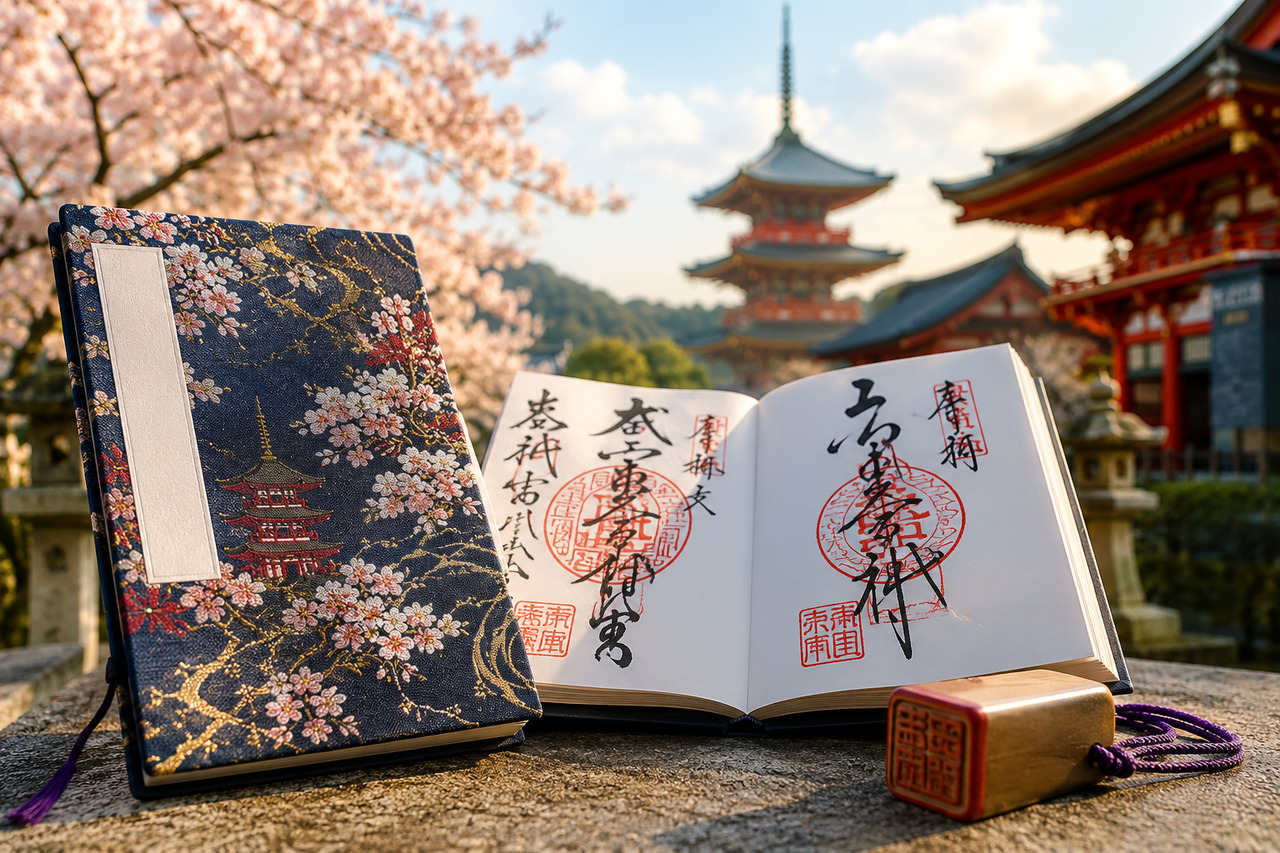
Goshuin is a special seal and calligraphy record given to visitors at Buddhist temples and Shinto shrines in Japan. Usually, the name of the temple or shrine, the date of the visit, and expressions specific to the site are written in black ink over or around a red seal. Since the designs vary from one sacred site to another, each Goshuin becomes a unique keepsake.
The origins of the Goshuin tradition are thought to be connected to practices in which handwritten Buddhist sutras were offered to temples and, in return, visitors received a record of their visit or devotion. Over time, the tradition became more widespread and developed into a cultural practice found today at both Buddhist temples and Shinto shrines.
Goshuinchō: The Special Book for Collecting Seals
Goshuin are usually collected in special books called Goshuinchō (御朱印帳). These books can be purchased at many temples and shrines, and their covers come in a wide variety of designs, from traditional Japanese patterns to seasonal motifs.
With each new temple or shrine visit, another piece of calligraphy is added to the book. Over time, the Goshuinchō becomes a unique memory album that tells the story of a person’s journey through Japan.
How Do You Receive a Goshuin?
When visiting a temple or shrine, it is important to first explore the site and perform the appropriate act of worship or respect. Afterward, you can go to the area where Goshuin are issued and hand your Goshuinchō to the attendant.
At some places, the attendant writes the calligraphy in front of the visitor using a brush and black ink, then applies the red seals. For this reason, not only the finished page but also watching the preparation process can be a fascinating experience.
At some temples and shrines, instead of writing directly in the book, pre-prepared Goshuin sheets may be provided. Practices can vary depending on the site.
Why Is Every Goshuin Different?
One of the most interesting aspects of collecting Goshuin is that each temple and shrine has its own distinctive seal and calligraphy style.
Some sites also prepare special designs for certain seasons or events. In this way, someone traveling through different cities in Japan can collect traces of the sacred places they have visited in a single book.
More Than Just a Tourist Souvenir
The most important thing to remember when collecting Goshuin is that they should not be treated as ordinary tourist stamps. For example, Tōdaiji Temple describes Goshuin as a record of the connection formed between the visitor and Buddhist or Shinto deities.
For this reason, it is important to behave respectfully toward the sacred site and its staff, hand over the book carefully, and follow the rules of the location.
One of the Most Special Souvenirs of a Trip to Japan
From the crowded streets of Tokyo to Kyoto’s historic temples, from quiet sacred sites in small towns to major pilgrimage destinations, collecting Goshuin can provide a different motivation for exploring Japan.
At the end of the journey, what remains is not simply a beautiful notebook, but a personal Japan diary that recalls the cities, temples, shrines, and moments you experienced, with every page resembling a different work of calligraphy.
Perhaps on your next trip to Japan, you may decide to buy your first Goshuinchō and begin building your own collection.