
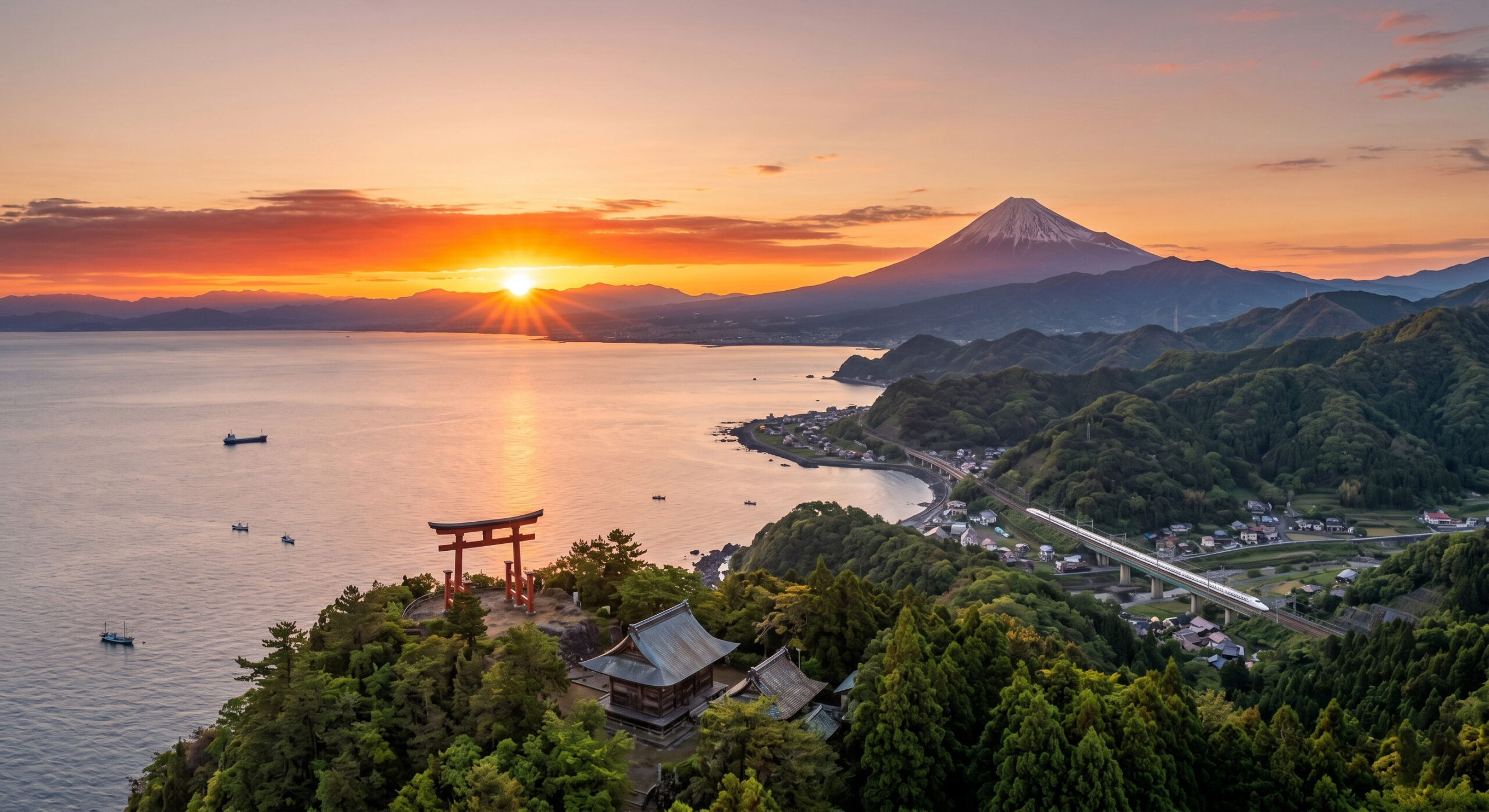
Land of the Rising Sun: A Panoramic Overview of Japanese History
The history of Japan is a story of a unique balance between isolation and modernization, tradition and technology. The journey from the earliest settlements of the archipelago to its status today as a global power can be examined under five main headings:
- Foundational Periods: Archaic Roots (Jomon and Yayoi)
The physical and cultural foundations of Japanese identity were established during these two periods:
- Jomon Period (14,000 BCE – 300 BCE): Named after its characteristic “cord-marked” pottery, this period represents a sedentary hunter-gatherer society. Some of the world’s oldest pottery examples date back to this era.
- Yayoi Period (300 BCE – 300 CE): Influenced by the Asian continent, this period saw the introduction of wet-rice agriculture and metalworking. The first signs of social stratification appeared during this stage.
- Classical and Feudal Period: The Rise of Aesthetics and the Sword
This phase covers Japan’s cultural refinement and the emergence of the military class:
- Heian Period (794 – 1185): With Kyoto (Heian-kyo) as the capital, this era marks the golden age of court literature and art. The Tale of Genji, considered the world’s first novel, was written during this period.
- Kamakura Period (1185 – 1333): Political power shifted from the imperial court to the military class (samurai). The first shogunate (military government) was established, and the foundations of the Bushido (Way of the Warrior) philosophy were laid.
- From Isolation to Modernization: Edo and the Meiji Restoration
Japan’s closure to the outside world and the dramatic transformation that followed:
- Edo Period (1603 – 1868): A 250-year period of uninterrupted peace and isolation (Sakoku) under the Tokugawa Shogunate. Kabuki theater and Ukiyo-e art became integral parts of popular culture during this time.
- Meiji Period (1868 – 1912): With the restoration of imperial authority, feudalism gave way to Western-style modernization. Japan industrialized and quickly became a global actor.
- The Devastation of War and the Economic Miracle
The 20th century was a time of deep سقوطlar and rebirths for Japan:
- World War II: The war ended in 1945 with the atomic bombings of Hiroshima and Nagasaki, leading to significant socio-economic destruction.
- Economic Miracle (1945 – Present): With post-war support from the United States and disciplined development policies, Japan achieved a remarkable recovery and emerged as a global leader in automotive, electronics, and robotics.
- Contemporary Japan: Traditional Heritage and Popular Culture
Today, Japan is a country where contrasts coexist in harmony:
- Cultural Continuity: Tea ceremonies, Shinto festivals, and traditional cuisine (Washoku) are carefully preserved.
- Global Influence: Through “soft power” elements such as anime, manga, and the gaming industry, Japan continues to be a cultural attraction in the modern world.