



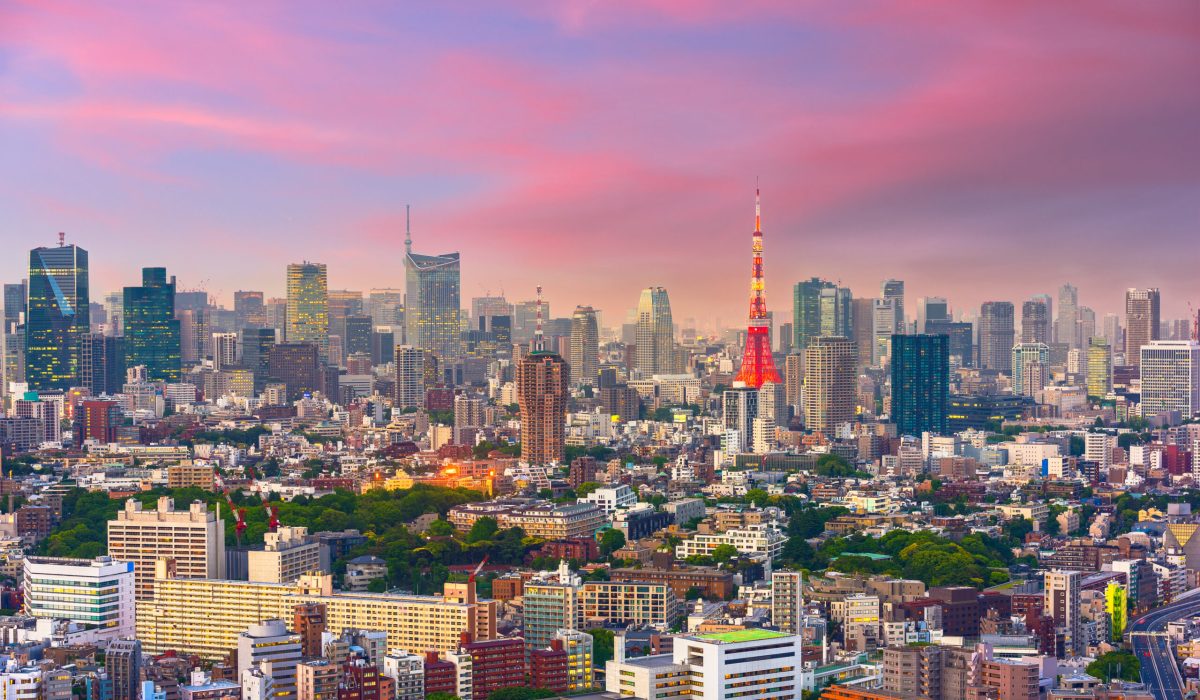
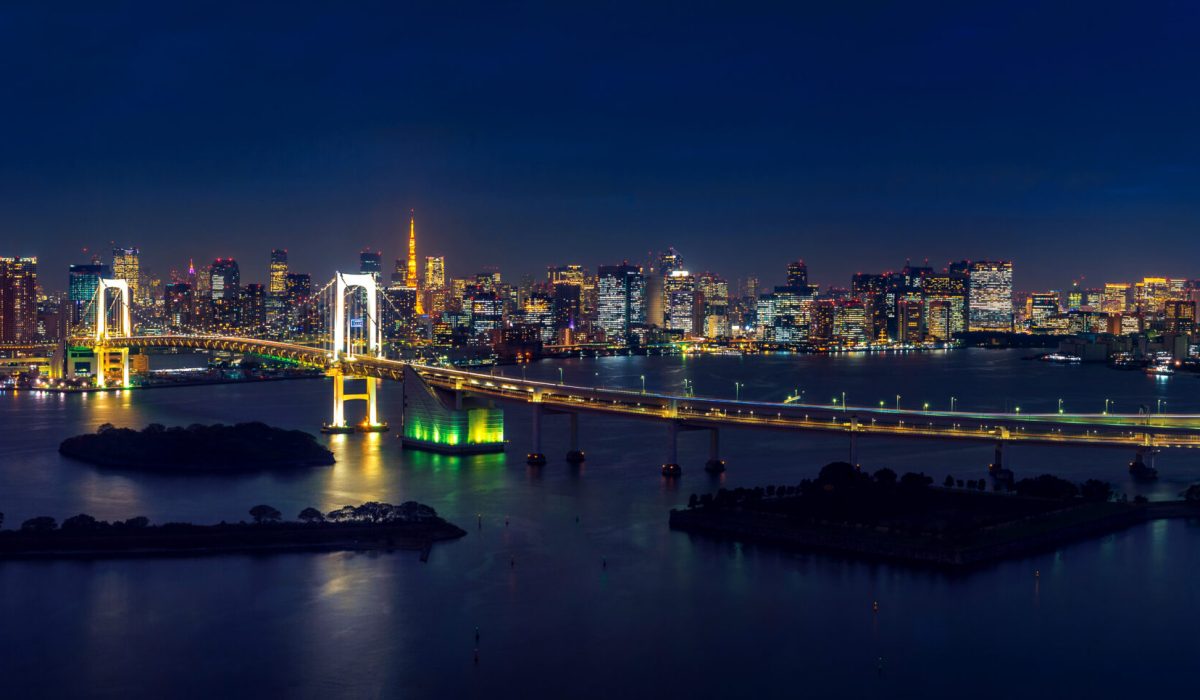
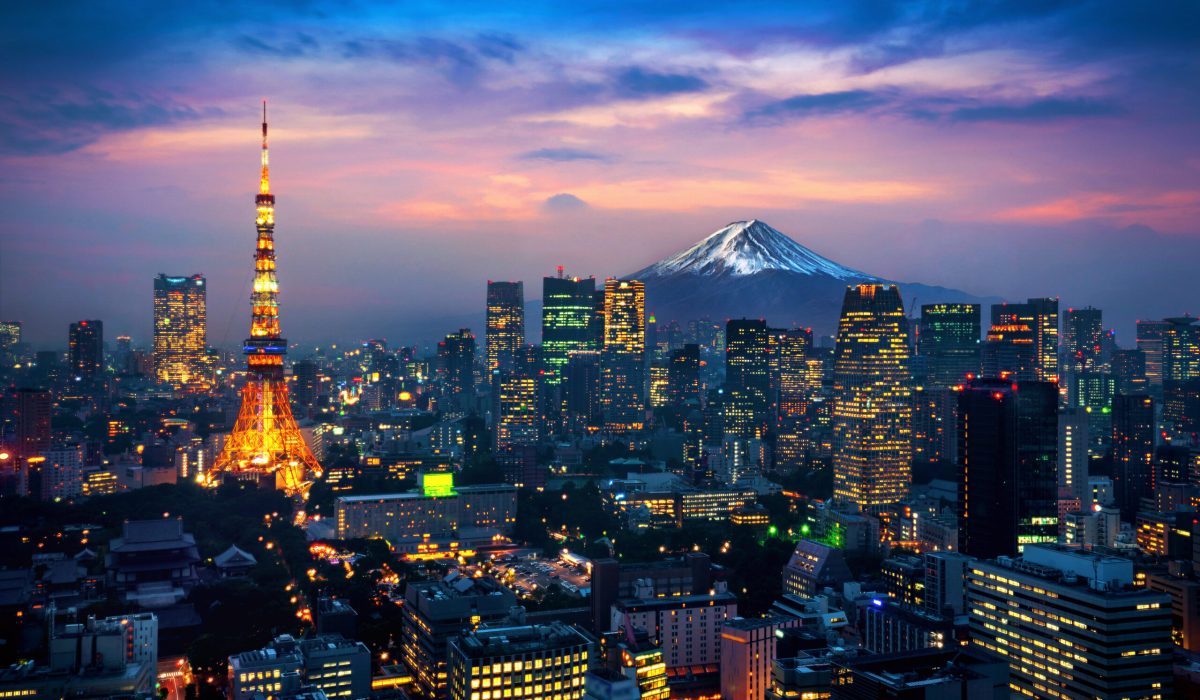
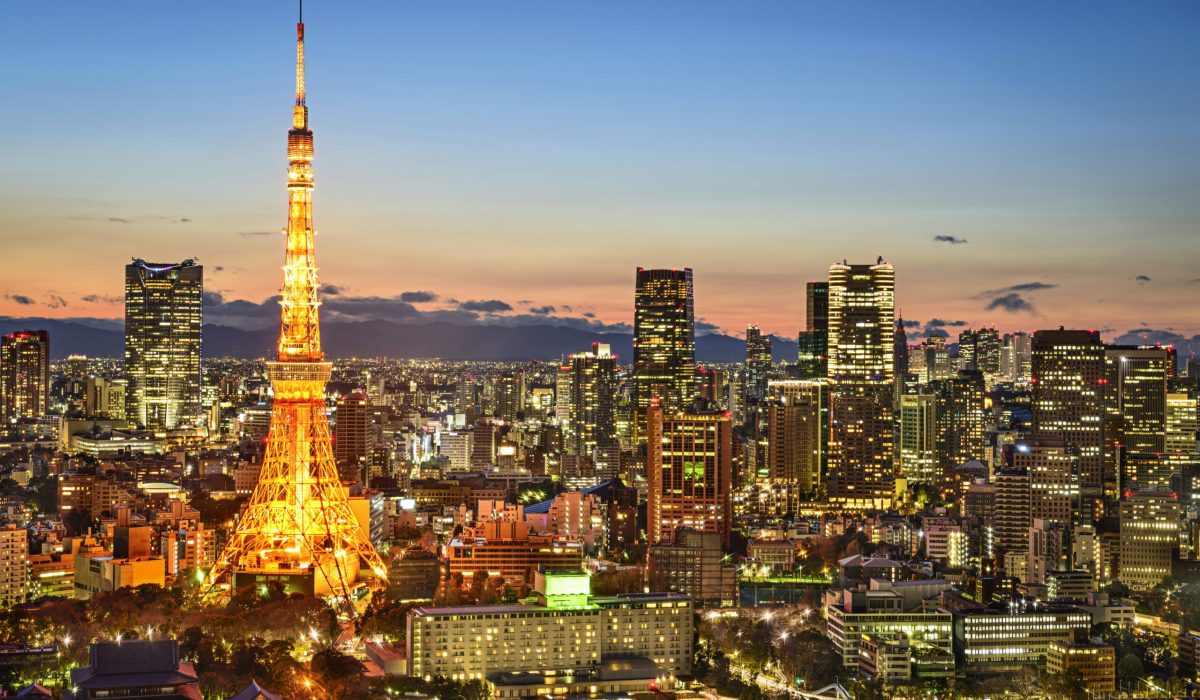
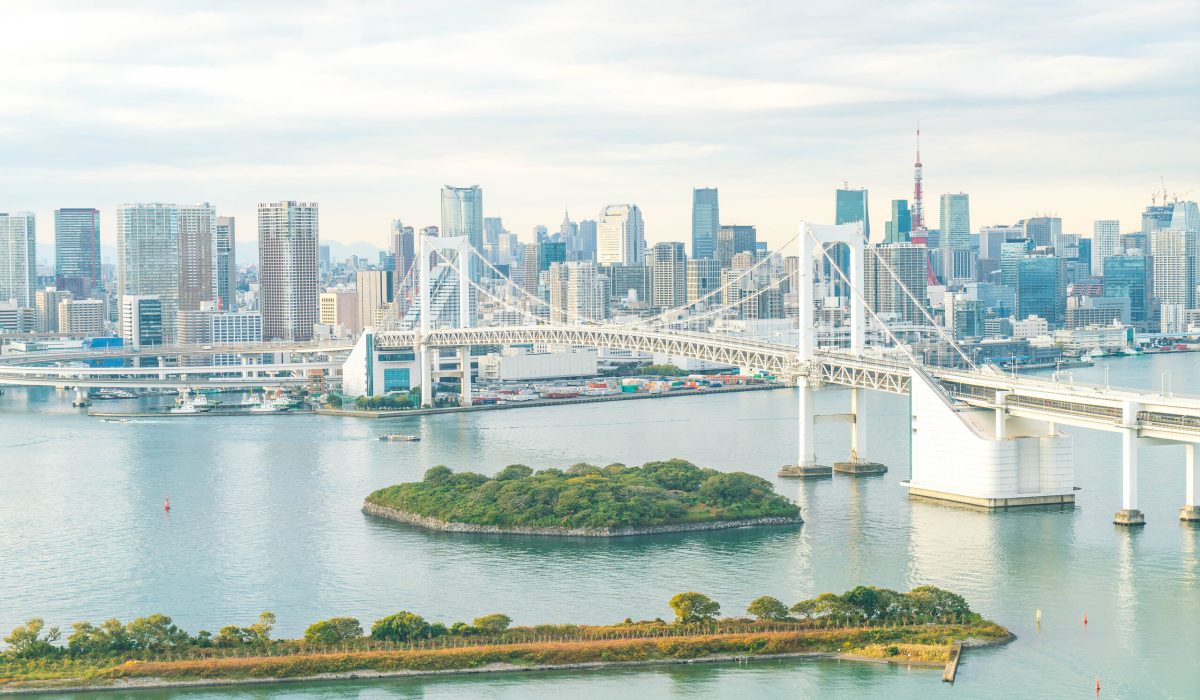
Tokyo, the capital of Japan, is one of the world’s most dynamic and densely populated urban centers, with a population exceeding 14 million (over 37 million in the metropolitan area). More than just a city, Tokyo is a vast living space where districts with distinct and unique identities come together. While pushing the boundaries of modernity, it remains a truly exceptional destination that has succeeded in carefully preserving its centuries-old traditions.
The city creates a captivating balance between futuristic skyscrapers, neon-lit streets, and advanced technology on one side, and wooden temples, serene Zen gardens, and age-old rituals on the other.
The Rhythm of the City: Order, Speed, and EfficiencyŞehrin Ritmi: Düzen, Hız ve Verimlilik
Daily life in Tokyo flows with a rhythm that can be described as “organized chaos.”
- Punctuality and Transportation: The city has one of the world’s most advanced, efficient, and punctual public transportation networks. Train and subway systems carry millions of people every day with precision measured in seconds. This punctuality extends beyond public transport and is reflected in all areas of social life, from commuting to business culture.
- Social Life and Work Culture: An intense work pace is an integral part of the city’s DNA. After work hours, izakayas (traditional Japanese pubs) and restaurants fill with employees who gather to socialize and unwind after a long day.
- Public Space and Respect: One of Tokyo’s most striking features is the sense of public order and quiet maintained despite massive crowds. People place great importance on the principle of not causing inconvenience to others (meiwaku).
Each a World of Its Own: Tokyo’s Iconic Districts
To truly understand Tokyo, it must be seen not as a single city, but as a collection of neighborhoods, each with its own distinct character.
Shinjuku
It is one of Tokyo’s administrative and commercial centers. While the western side is home to massive skyscrapers such as the Tokyo Metropolitan Government Building, the eastern side offers a vibrant nightlife with the neon-lit Kabukicho entertainment district and the narrow, nostalgic bars of Golden Gai. The world’s busiest train station is also located here.
Shibuya
It is the heart of youth culture and fashion. The world-famous “Shibuya Scramble Crossing” is a symbolic landmark that captures the city’s energy, where hundreds of people cross simultaneously in an organized flow.
Asakusa
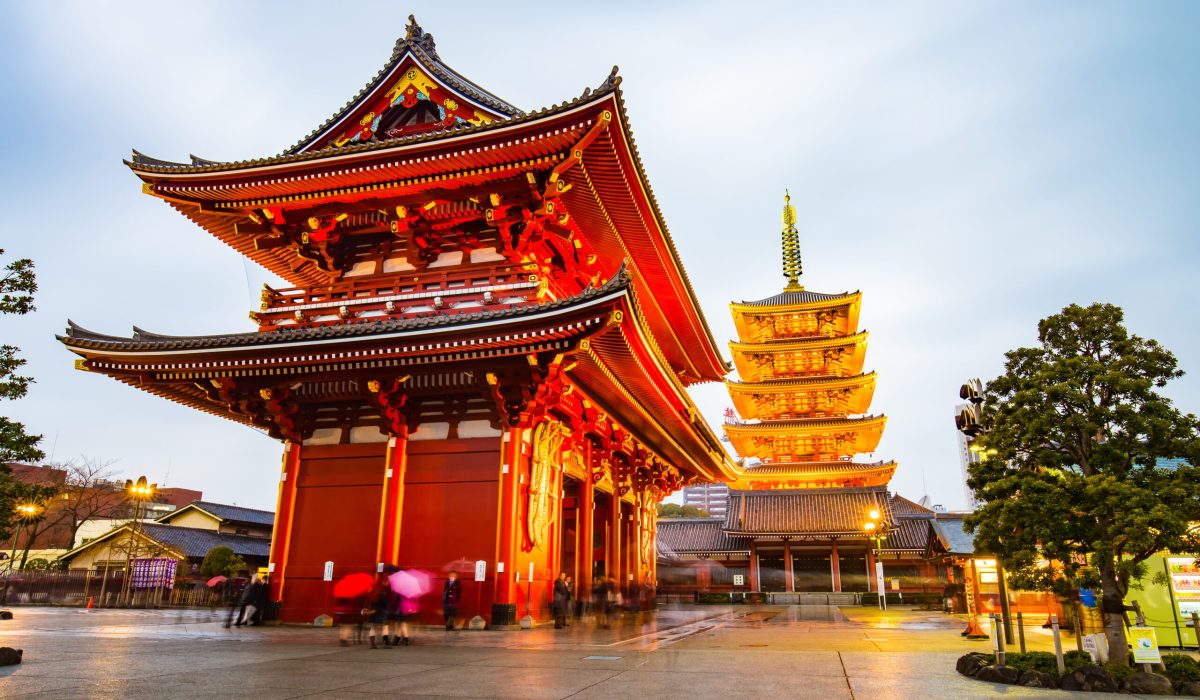
Asakusa is one of the districts that best reflects the spirit of Tokyo’s historical Edo period. Home to the city’s oldest temple, the magnificent Senso-ji, with its giant red lantern at Kaminarimon and the traditional market street leading to the temple, Nakamise-dori, offers visitors a journey back in time.
Akihabara
Known as “Electric Town,” Akihabara is the global center of modern Japanese pop culture, including anime, manga, and video games. With its multi-story electronics stores, themed cafés, and game arcades, the district has a truly distinctive atmosphere.
Ginza
Ginza is the center of luxury shopping, sophisticated dining, and art galleries. Home to flagship stores of world-renowned brands, the district represents Tokyo’s modern elegance and economic strength.
🍣 Tokyo: A Global Gastronomy Hub
Tokyo is a gastronomic capital, recognized as the city with the highest number of Michelin-starred restaurants in the world.
- Fine Dining: Sushi and sashimi prepared with fresh ingredients sourced from Toyosu Fish Market are elevated into an art form at exclusive restaurants offering omakase (chef’s choice) experiences.
- Everyday Flavors: Gastronomy is not limited to high-end restaurants. Small ramen (noodle soup) shops found in train stations or side streets are among the city’s most beloved food spots.
- Konbini (Convenience Stores): Open 24 hours a day, convenience stores such as 7-Eleven and FamilyMart have become an essential part of daily life, offering fresh, high-quality quick meals like onigiri (rice balls) and bento (boxed meals).
Peaceful Spots Within the Chaos
This vibrant metropolis offers a surprisingly rich variety of sanctuaries for those seeking calm and a connection with nature.
- ·Meiji Jingu: Dedicated to Emperor Meiji, this shrine is located within a dense forest of tens of thousands of trees, offering a peaceful atmosphere that completely shuts out the city’s noise.
- Shinjuku Gyoen: This vast national park brings together a traditional Japanese garden, French-style landscaping, and English-style lawns, functioning as a true oasis right next to the skyscrapers.
Tokyo offers a constant experience of change and discovery; it is one of the world’s most captivating destinations, blending a future vision that pushes the boundaries of technology with a deep respect for traditions spanning thousands of years.