



Tochigi Prefecture: The Heart of Nature and Japan’s Sacred Sanctuary
- Homepage
- Tochigi Prefecture: The Heart of Nature and Japan’s Sacred Sanctuary
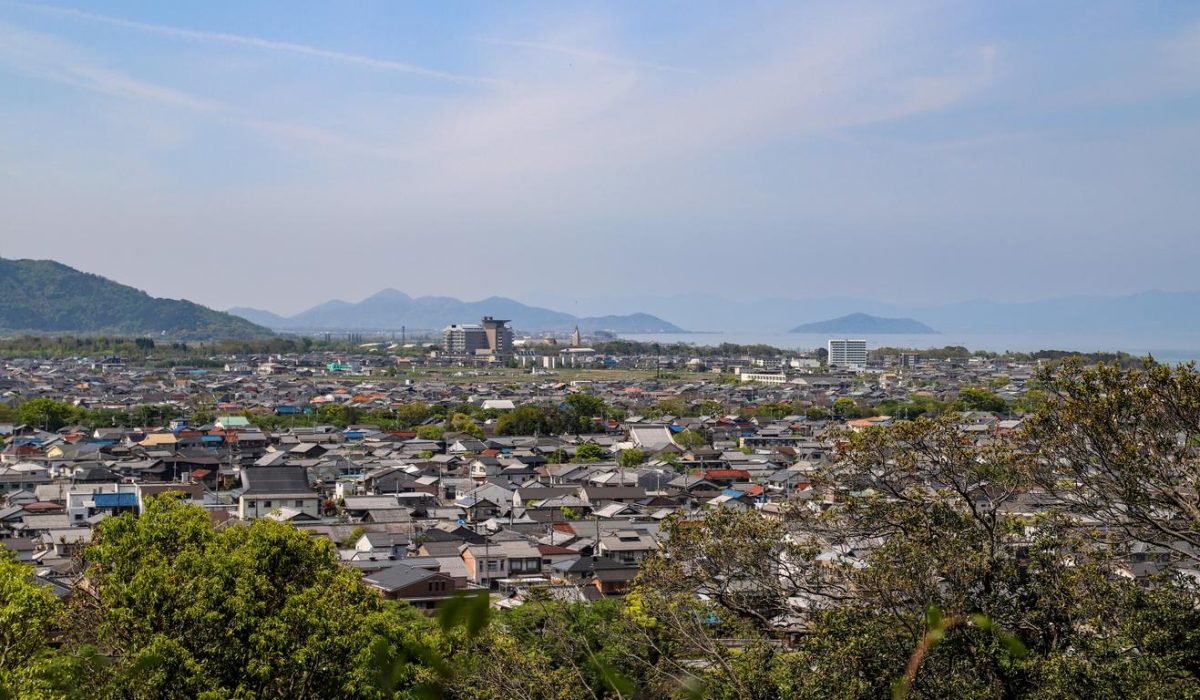
Located in the Kanto region just north of Tokyo, Tochigi Prefecture is a landlocked haven that holds some of Japan’s most magnificent natural landscapes and its most sacred historical sites. It is an ideal refuge for escaping the capital’s fast pace and connecting with Japan’s deep spiritual roots.
Tochigi is internationally renowned as the home of Nikko, a UNESCO World Heritage site that inspired the famous Japanese saying, “Do not call anything ‘magnificent’ (kekko) until you have seen Nikko.”
The Prefecture’s Rhythm: Four Seasons, Tranquility, and Agriculture
Unlike coastal metropolises, Tochigi’s rhythm is defined by the clear cycle of the four seasons.
- Nature and Serenity: This is a mountainous region where life revolves around the vast forests of Nikko National Park, the cool climate of the Nasu Highlands, and the calm of rural landscapes.
- Two Contrasts: The prefecture has two distinct faces. On one side stands the lively capital, Utsunomiya, a center of modern industry and commerce. On the other are areas such as Nikko and Nasu, where spirituality, history, and nature dominate daily life.
- Agricultural Strength: Tochigi is well known for its agricultural production, particularly its strawberry fields, regarded as among the best in Japan, and its production of kanpyo dried gourd strips.
Key Destinations and Historical Heritage
Tochigi’s appeal lies not so much in its capital, Utsunomiya, but in the natural and historical wonders spread throughout the prefecture.
Nikko: UNESCO World Heritage Site
Nikko, the crown jewel of Tochigi, represents the pinnacle of Japanese architecture and artistry.
- Toshogu Shrine: The magnificent mausoleum of the legendary shogun Tokugawa Ieyasu, who unified Japan. It is renowned for its extraordinarily intricate wood carvings, gold-leaf details, the famous “Three Wise Monkeys” motifs, and the “Sleeping Cat” (Nemuri Neko) carving.
- Futarasan Shrine and Rinno-ji Temple: Together with Toshogu, they form the spiritual core of mountain worship in the Nikko area.
Nikko National Park (Natural Wonders)
Nikko’s historic area also serves as the gateway to a breathtaking natural park.
- Kegon Falls: With a height of approximately 97 meters, it is considered one of Japan’s three most famous and beautiful waterfalls.
- Lake Chuzenji: Formed by a volcanic eruption of sacred Mount Nantai, the lake offers especially stunning scenery during the autumn foliage season.
Nasu Highlands (Nasu Kogen)
Located on the slopes of the active Mount Nasu, this area is a favored retreat of Tokyo’s elite. Home to a villa of the Imperial Family, Nasu is known for its cool highland climate, stylish cafés, museums, and abundant onsen hot spring resources.
Cuisine: The “Gyoza City” and a Strawberry Paradise
Tochigi’s cuisine stands out with its distinctive and bold flavors.
- Utsunomiya Gyoza: The prefectural capital, Utsunomiya, is widely regarded as Japan’s undisputed “Gyoza Capital.” The city ranks first in gyoza consumption per capita and is home to hundreds of restaurants dedicated solely to this dish, served pan-fried, boiled, steamed, and more.
- Tochiotome Strawberries: Tochigi produces some of Japan’s most famous, large, and sweet strawberries under the “Tochiotome” brand. Strawberry-picking tours are a very popular activity in the region.
- Yuba: Fresh tofu skin made by gently heating soy milk. It developed as part of the vegetarian cuisine of Buddhist and Shinto temples in Nikko and is valued as a delicate and healthy local specialty.
Although only about an hour by train from Tokyo, Tochigi Prefecture offers visitors a completely different world, combining the grandeur of nature, the depth of Japanese history, and some of the country’s most satisfying local flavors.