


The Rules for Shopping in Japan Are Changing: What Lies Ahead for Tourists?
In this article
A major change is on the way for anyone planning to travel to Japan to shop at Tokyo’s famous electronics stores, hunt for cosmetics on Osaka’s bustling streets, or pick up traditional souvenirs in Kyoto. As of November 1, 2026, Japan is moving its tax-free shopping system for foreign tourists to an entirely new model.
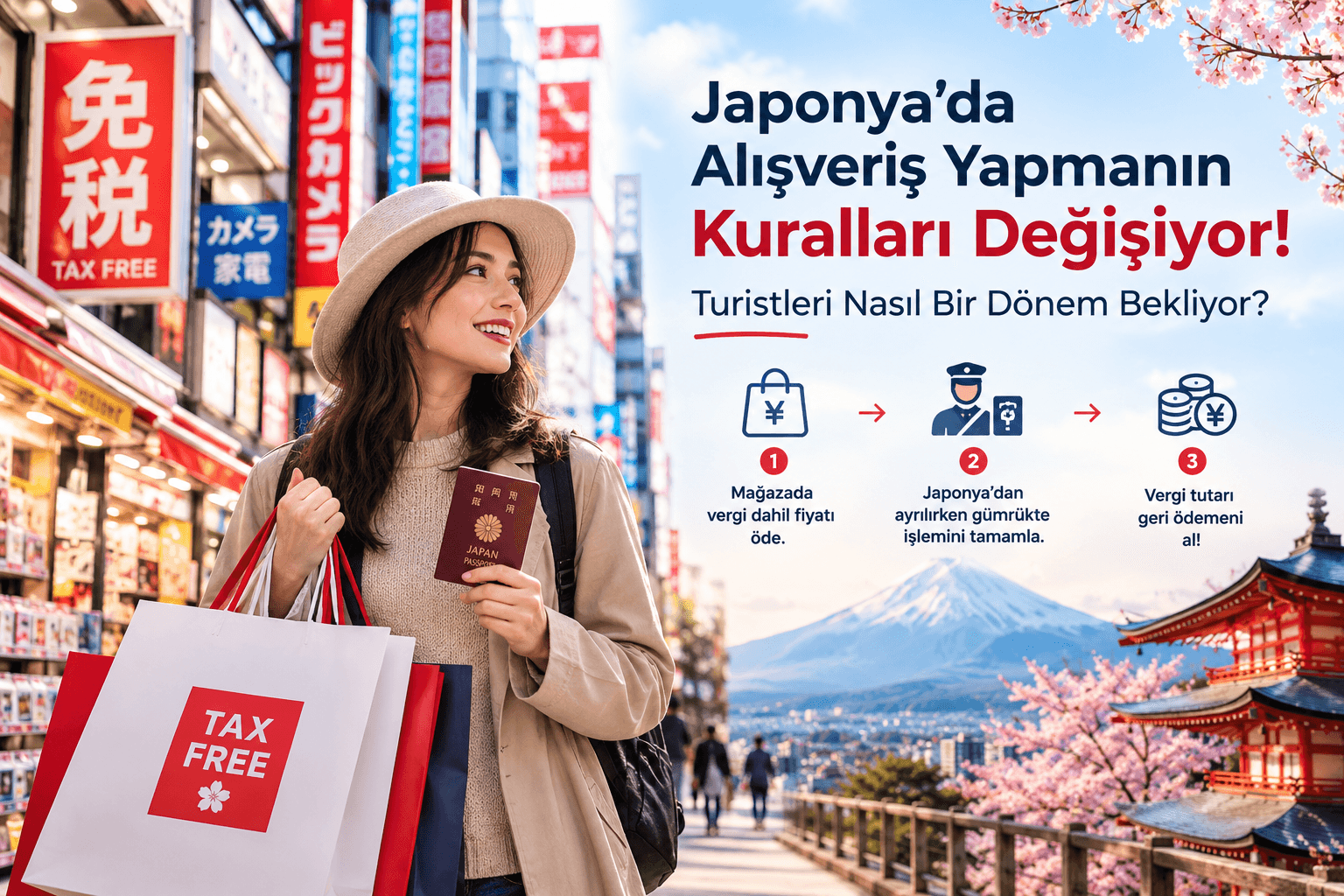
Until now, tourists in Japan who met certain conditions could buy goods tax-free without paying consumption tax at the register. Under the new system, the process will be reversed: you will first pay the tax-inclusive price, and then you can get the tax amount back once the required procedures are completed.
So why does Japan’s decision matter, and what can people planning a trip to the country expect?
Is the era of discounts at the register ending?
In fact, tax-free shopping isn’t going away entirely. What’s changing is when and how the tax is refunded.
Japan’s consumption tax is generally 10 percent, though different rates can apply to some product categories. Under the old system, tourists shopping at eligible stores could buy goods at the tax-exclusive price as long as they met the necessary requirements.
From November 1, however, tourists will pay the tax-inclusive price in the store. The tax amount will be refunded after customs confirms that the goods have been taken out of Japan.
For example, imagine an item taxed at 10 percent with a tax-exclusive price of 10,000 yen. Under the new system, you will need to pay 11,000 yen at the register. Once the refund conditions are met, you can get 1,000 yen back.
In other words, the total cost of shopping won’t necessarily go up. However, tourists will need to set aside more money up front and keep track of the refund process.
Why is Japan making this change?
One of the key reasons behind this change is to prevent abuse of the tax-free shopping system.
Some goods sold to tourists tax-free were being resold within Japan instead of being taken out of the country, which could keep the system from working as intended. By tying the tax refund to verification that the goods have actually left the country, the new rules aim to reduce this problem.
The change is also meant to simplify in-store procedures and make greater use of digital systems. This is expected both to lighten the workload for store staff and to make the tax refund process more standardized.
Japan’s move can be seen as part of an effort to make the rules stricter and easier to enforce while still earning revenue from tourism.
How will tourists get their tax refund?
Under the new system, visitors who shop will need to go through customs verification when leaving Japan.
Purchased goods must be taken out of Japan within 90 days of the date of purchase. At the tax refund procedures at the airport or port, travelers may be asked to present their passports and, if necessary, show the goods for inspection.
At certain major airports such as Narita, Haneda, Kansai, and Fukuoka, an online option through Visit Japan Web will also be available under eligible conditions.
There’s one important point to keep in mind here: the tax refund is not a payment that will be deposited automatically into everyone’s account. Travelers need to complete the required verification and follow the refund method offered by the store.
Those who will be checking their suitcases before their flight in particular may need to complete the procedures related to purchase records and product inspection before dropping off their bags. That’s why it’s important to allow enough time on your departure day.
What should people shopping in Japan keep in mind?
The new system adds a few new steps to the travel preparations of tourists, especially those planning to buy electronics, cosmetics, clothing, and souvenirs.
First, you need to have your passport with you when you shop. Another basic requirement is that the goods you want a tax refund for must be taken out of Japan.
In addition, under the new rules, all of the items on the same purchase record may need to be present when you depart. This means that using the items during your trip or leaving some of them behind could affect your right to a refund.
Under the new system, the general minimum for eligible purchases has been set at a tax-exclusive total of at least 5,000 yen, bought at the same store on the same day. That said, you shouldn’t assume that every item is automatically eligible for a tax refund.
Checking the current rules and the refund method of the stores you’ll be shopping at before you go to Japan can help you avoid surprises on your departure day.
How might travel to Japan change from now on?
At first glance, this regulation may seem to concern only tourists who go shopping. But its impact could be broader.
Tourists may have to plan their shopping budgets and spending more carefully on trips to Japan. Stores, meanwhile, will have to update their payment infrastructure and the way they inform customers in order to adapt to the new refund system.
On the other hand, the spread of digital options and simpler in-store procedures could help the system run more smoothly in the long run.
What matters in Japan’s tourism strategy is not just attracting more visitors, but managing the contribution those visits make to the country’s economy in a sustainable way. The tax-free shopping regulation is part of that balance.
Conclusion: A change you need to know about before you go to Japan
The new system, which takes effect on November 1, 2026, means a small but important change of habit for tourists who love shopping in Japan. From now on, the tax benefit will no longer be a discount applied directly at the register, but will instead depend on a refund process completed as you leave the country.
If you’re planning to travel to Japan soon, it’s a good idea to factor this change into your shopping budget. Keeping your passport with you, keeping your purchases and receipts organized, and allowing enough time on your departure day can make your trip easier.
In the end, the joy of shopping in Japan continues. But in this new era, the secret to a great shopping experience will be not only finding the right item at the right price, but also handling the tax refund process the right way.