



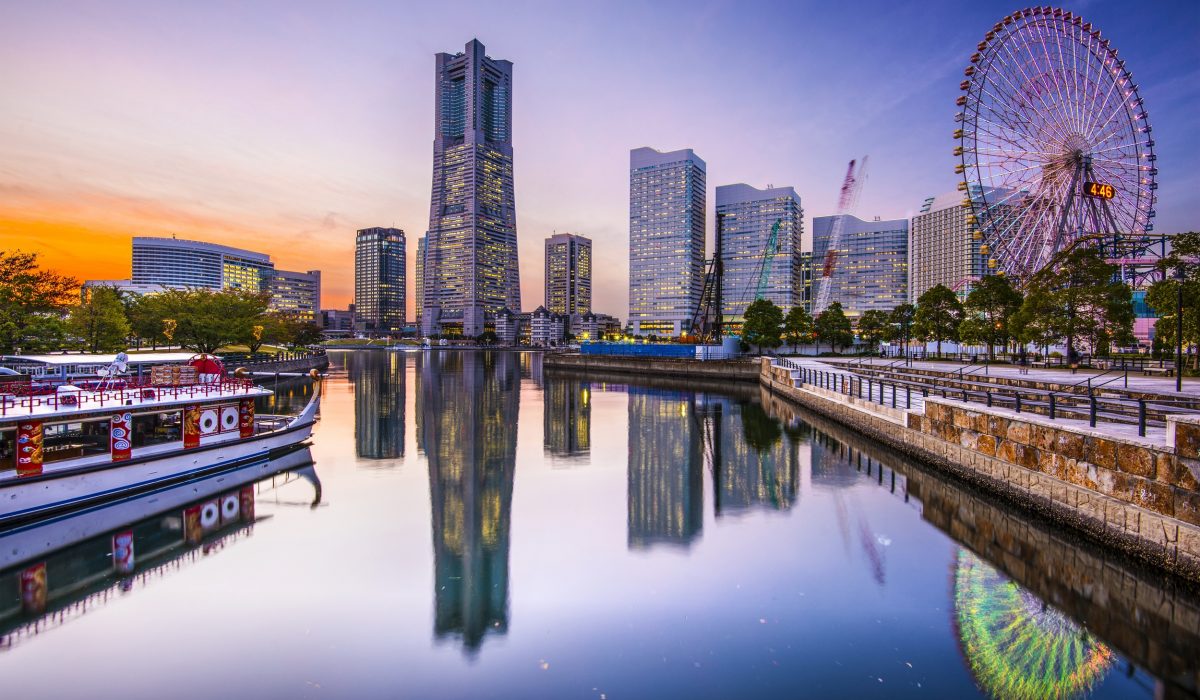
Osaka, Japan’s third-largest city, is known as the nation’s “kitchen” and stands out with its own distinctive vibrancy and pragmatism, quite different from the refined elegance associated with Tokyo or Kyoto. Historically a city of commerce and port trade, Osaka has carried this legacy into the present day and is famous for its friendly, outgoing people and the philosophy of kuidaore.
Osaka is the heart of a city life filled with towering neon signs, irresistible street food, and an energy that never seems to fade.
The Rhythm of the City:
“Kuidaore” and Warmth
There is a single word that perfectly captures Osaka’s lifestyle: uidaore. It literally means “to eat until you go broke,” and it perfectly expresses the city’s deep passion for food.
- Warm and Friendly People: Osaka residents (Osakajin) are known for being more outgoing, humorous, and talkative compared to people in other parts of Japan. The city is also famous as the center of Japanese comedy, particularly manzai.
- The Spirit of Commerce: With its roots as a merchant city, Osaka has developed a pragmatic and down-to-earth character. People enjoy bargaining and appreciate good deals.
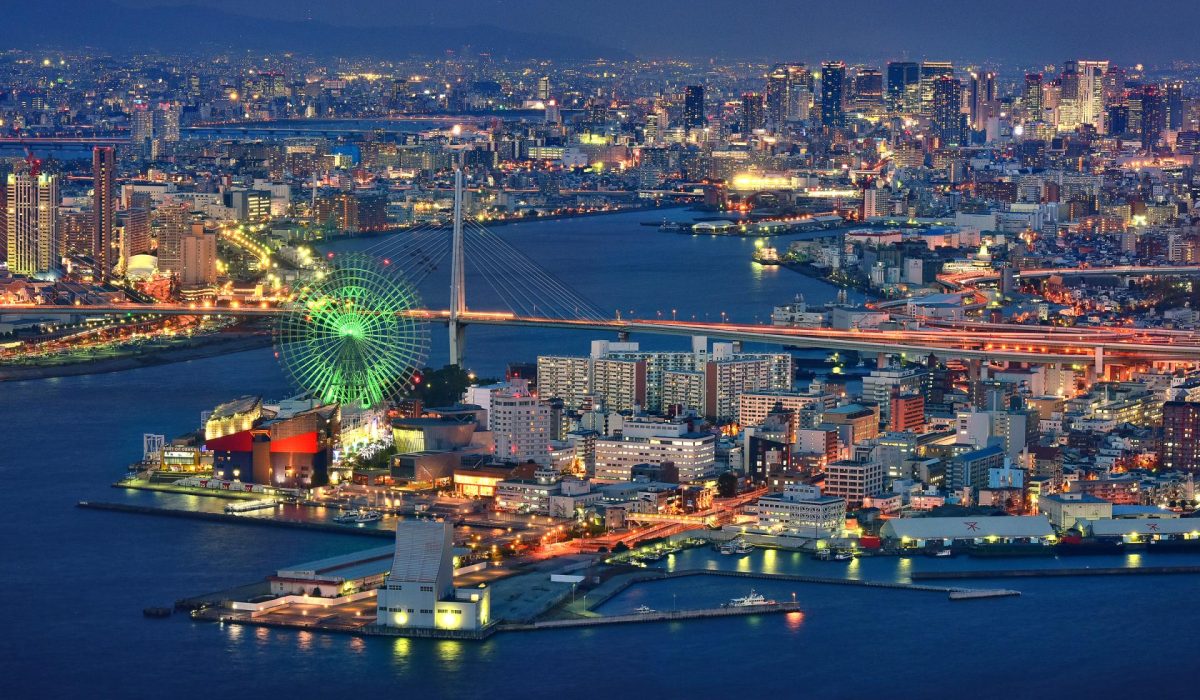
- Day and Night Energy: Osaka never sleeps. Especially in its main districts, the city remains lively, noisy, and full of energy around the clock.
Centers of Energy and Flavor
Exploring Osaka often focuses on its most iconic and energetic districts.
Dotonbori (Namba)
This area is truly the heart and soul of Osaka. Stretching along the canal, it is famous for its massive, three-dimensional, and animated neon signs, including the iconic “Glico Man” runner. Restaurants, street food stalls, and entertainment venues are densely concentrated in this district.
Shinsaibashi
Located right next to Dotonbori, Shinsaibashi-suji is a covered shopping arcade with a history spanning hundreds of years. Stretching from modern boutiques to traditional shops, this street perfectly reflects Osaka’s passion for shopping.
Osaka Castle (Osaka-jo)
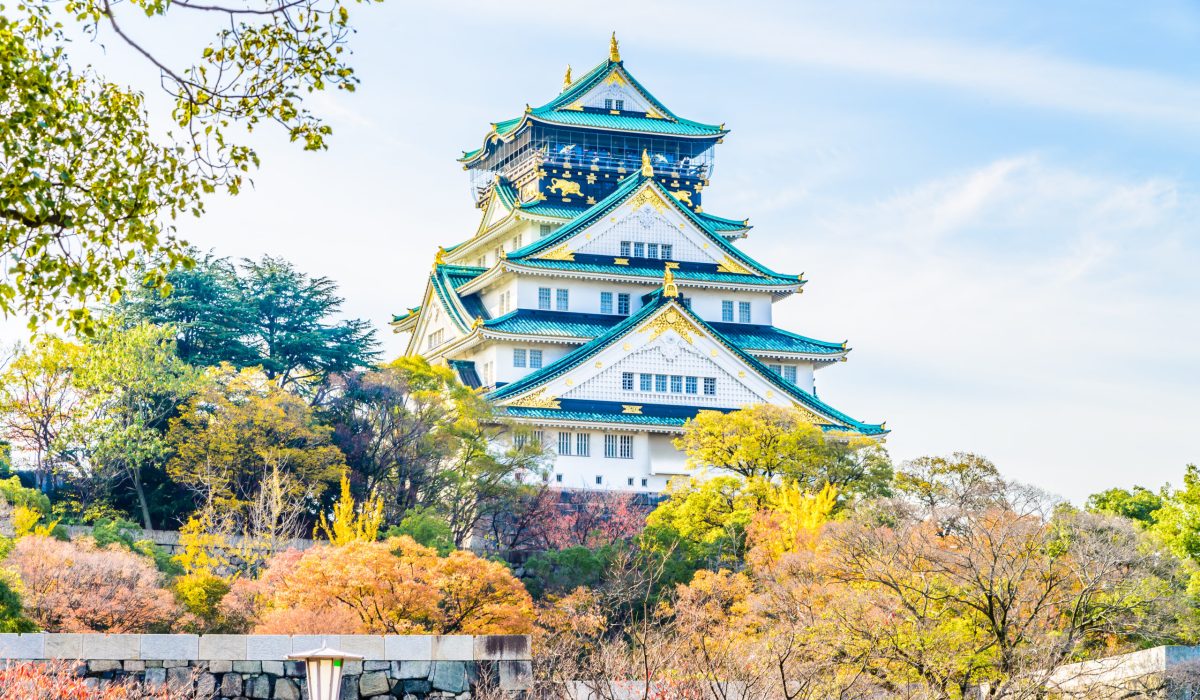
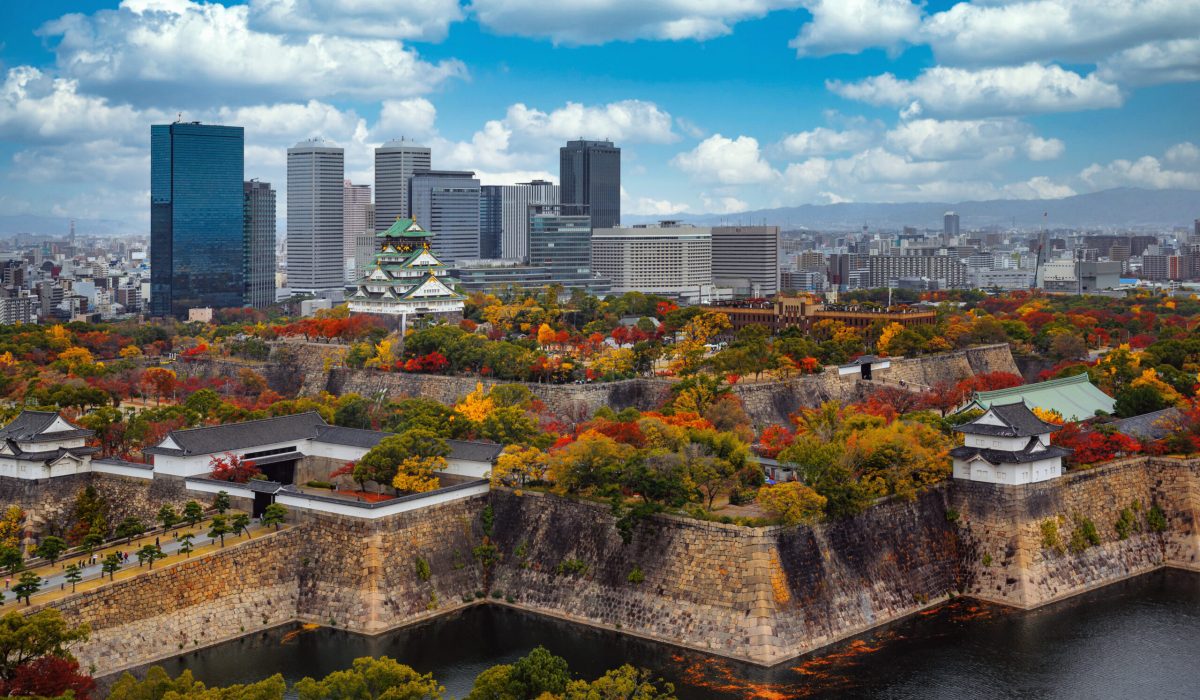
It is the city’s most important historical landmark. 16. The castle was originally built by Toyotomi Hideyoshi, who played a key role in the unification of Japan in the 16th century. Although the current structure is a modern reconstruction, its massive stone walls, moats, and surrounding park are particularly impressive, especially during the cherry blossom season.
Shinsekai
This district, whose name means “New World,” gives visitors the feeling of stepping back in time. It was designed with inspiration from pre-war Paris and Coney Island. The area is famous for the Tsutenkaku Tower at its center and for its kushikatsu restaurants serving deep-fried skewers.
Cuisine: Japan’s Pantry
Calling Osaka “Japan’s Kitchen” (Tenka no Daidokoro) is no coincidence. The city is the birthplace of many dishes that are famous throughout the country.
- Takoyaki: Small, round balls of batter filled with pieces of octopus and fried until golden. This is Osaka’s most iconic street food.
- Okonomiyaki: Often described as a “Japanese pizza” or “omelet,” this savory pancake is made with cabbage and a variety of ingredients such as meat or seafood.
- Kushikatsu: A dish made by skewering vegetables, meat, or seafood, coating them in breadcrumbs, and deep-frying them. It is typically eaten by dipping the skewers into a shared sauce container, with dipping twice strictly prohibited.
Osaka offers a bold and satisfying experience that focuses on enjoying life rather than formality. It is a perfect destination for those who want to see a more playful, noisy, and flavorful side of Japan.