



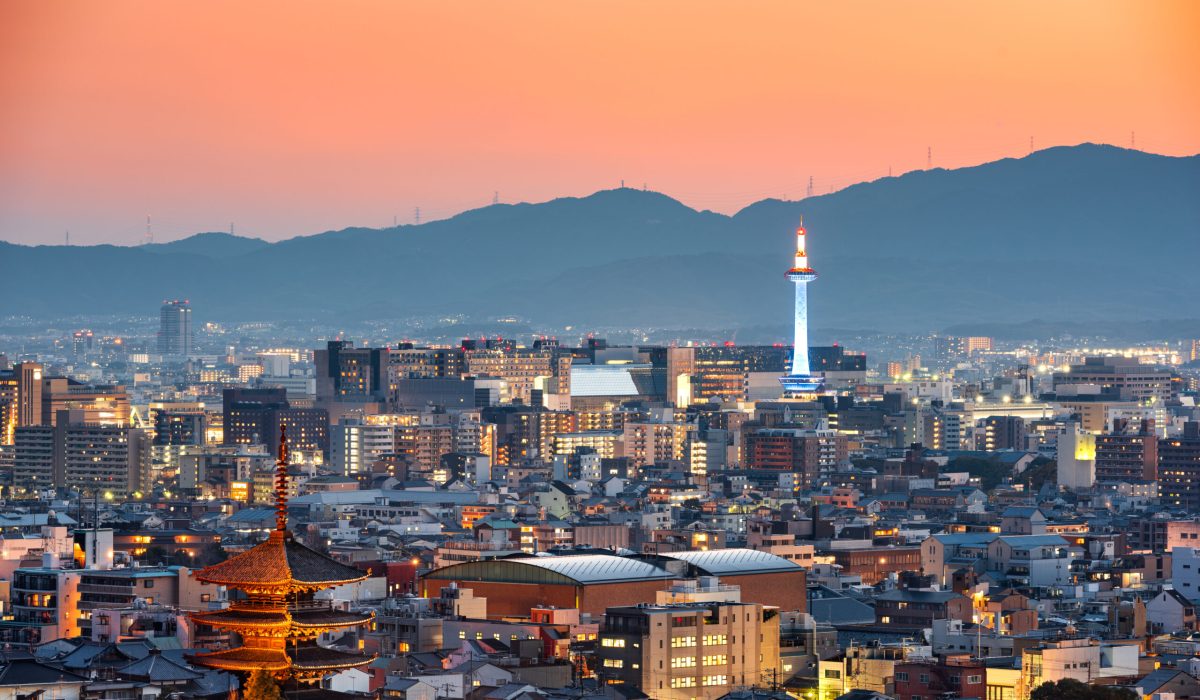
Kyoto, which served as Japan’s imperial capital for more than a thousand years, is regarded as the cultural and spiritual center of the country. Unlike modern Japanese cities, Kyoto was largely spared from the destruction of World War II and has successfully preserved its historical fabric, invaluable architecture, and traditional way of life.
Kyoto is a magical city where time seems to flow more slowly, aesthetics are woven into every aspect of daily life, and thousands of temples, magnificent palaces, and immaculate Zen gardens coexist harmoniously with modern living.
The Rhythm of the City: Elegance, Aesthetics, and Depth
In contrast to the fast-paced lifestyle of Tokyo, life in Kyoto is measured, calm, and deeply aesthetic.
- Living Traditions: Kyoto remains a vibrant center where Japan’s traditional arts and crafts are still very much alive. The tea ceremony (Chado), flower arrangement (Ikebana), and traditional theater forms such as Kabuki and Noh are practiced here in their most refined forms.
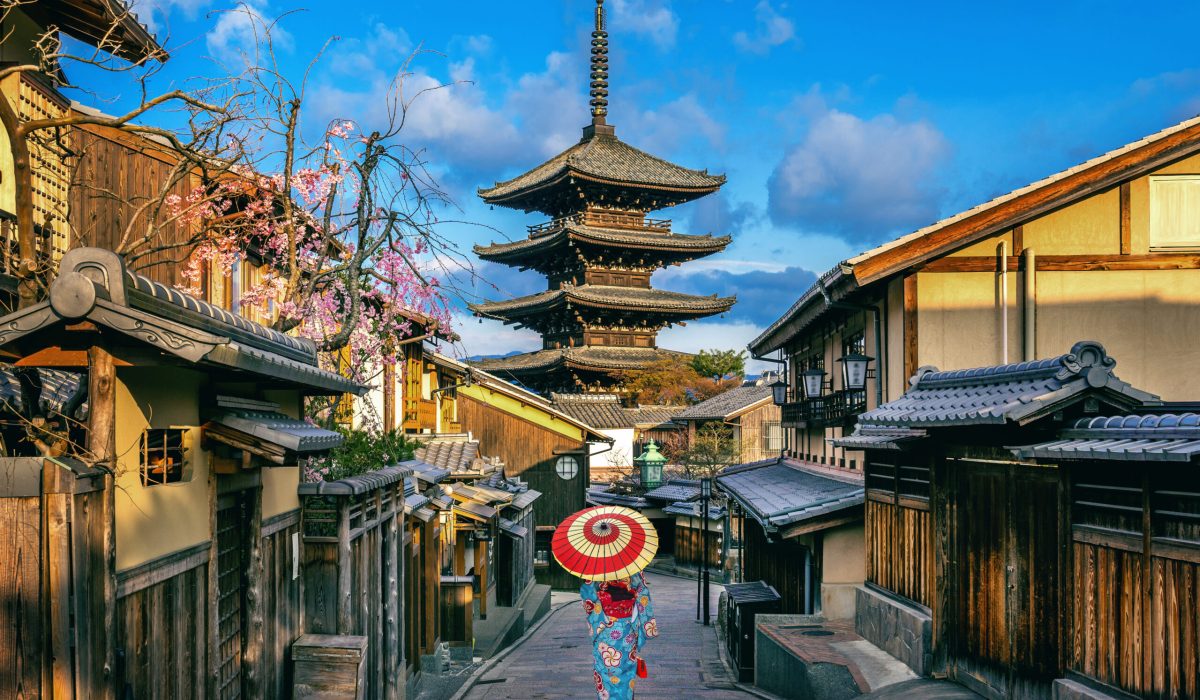
- Gion and Geisha Culture: Gion, one of Kyoto’s most famous districts, is still home to the culture of Geiko (the Kyoto term for geisha) and Maiko (geisha apprentices). In the evenings, while walking among wooden machiya townhouses, it is possible to catch a glimpse of geisha hurrying to their appointments.
- Life by Bicycle: Thanks to the city’s largely flat terrain and the paths stretching along the Kamo River, cycling has become a popular mode of transportation. This allows visitors to explore the city at a slower and more intimate pace.
Where History Meets Beauty
With more than 2,000 temples and shrines, Kyoto is truly an “open-air museum.” Many areas of the city are listed as UNESCO World Heritage Sites.
Higashiyama District (Eastern Kyoto)
It is one of Kyoto’s best-preserved historic districts. With its narrow stone-paved streets (Sannenzaka and Ninenzaka), traditional shops, and Kiyomizu-dera Temple—famous for its magnificent wooden terrace—it transports visitors back to old Japan.
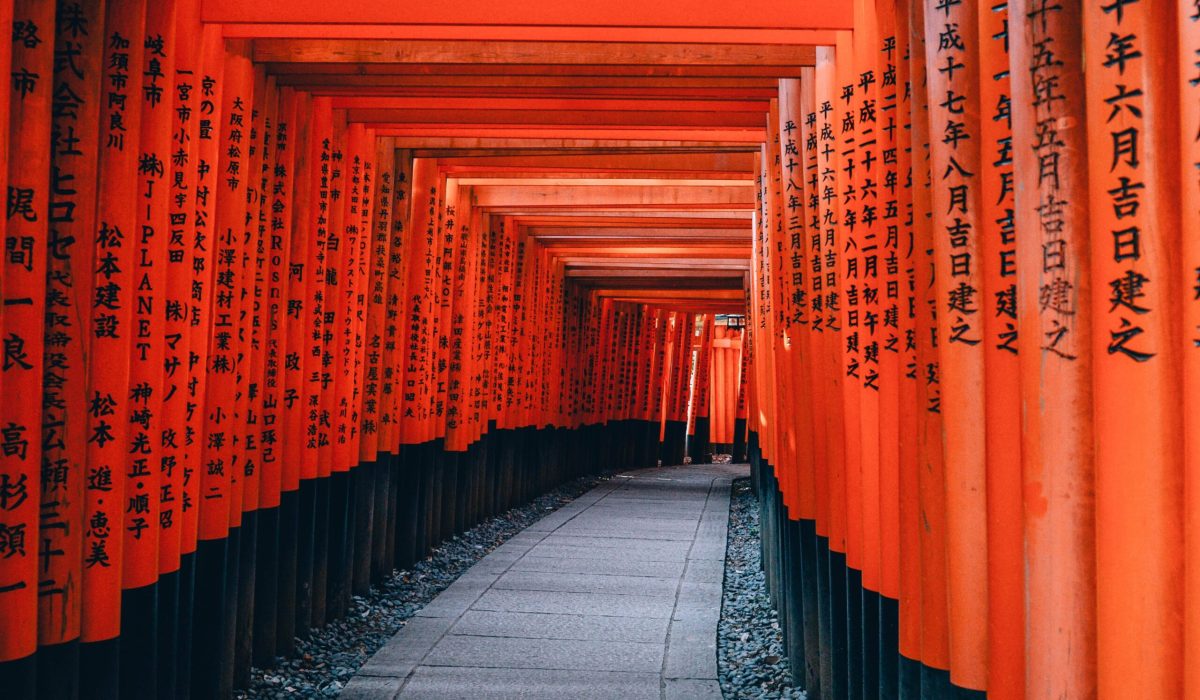
Fushimi Inari Taisha
Spreading across the slopes of a mountain, it is world-famous for its seemingly endless tunnels of thousands of vivid red torii gates. Dedicated to Inari, the deity of rice and prosperity, this shrine offers one of the city’s most iconic views.
Arashiyama
Located in the western part of the city, this area is renowned for its natural beauty. Walking through the enchanting Arashiyama Bamboo Grove, taking traditional boat rides on the Hozugawa River, and visiting the gardens of Tenryu-ji Temple—a UNESCO World Heritage site—are among the main experiences here.
Kinkaku-ji (The Golden Pavilion)
Officially known as Rokuon-ji, this Zen Buddhist temple is built beside a pond, with its upper two floors entirely covered in gold leaf. Its reflection on the water creates a truly breathtaking view.
Cuisine: Refinement and the Art of “Kaiseki”
Kyoto is the birthplace of the Kaiseki tradition, regarded as the most refined and artistic form of Japanese cuisine.
- Kaiseki Ryori: This multi-course “haute cuisine” experience, which combines the freshest seasonal ingredients with artistic presentation, represents the pinnacle of Kyoto’s gastronomy.
- Matcha (Japanese Green Tea): The Uji region of Kyoto is known for producing some of Japan’s highest-quality matcha. Beyond tea ceremonies, the city offers a wide variety of matcha-based delights such as ice cream, sweets, and noodles.
- Obanzai and Tofu: Obanzai refers to Kyoto’s traditional home-style cooking—simple, seasonal, and healthy. Thanks to its pure water sources, Kyoto is also famous for soy-based dishes such as yudofu (hot tofu).
Serenity and Philosophy: Zen Gardens
Kyoto is home to world-famous Zen gardens known for their meditative and philosophical depth.
- Ryoan-ji Temple: Perhaps the most famous “rock garden” in the world, it consists of 15 stones carefully arranged on a bed of white gravel. The design of this garden invites viewers to reflect on simplicity and contemplation.
Kyoto is a unique city that resists the speed of the modern world, places aesthetic values above all else, and carries Japan’s spiritual heritage on its shoulders. It promises visitors not just a journey, but a timeless cultural experience.