



Located on the northern coast of Osaka Bay in Japan’s Kansai region, Kobe is one of the country’s most cosmopolitan and internationally oriented cities. As the capital of Hyōgo Prefecture, the city has developed a distinctive character within a narrow strip of land wedged between the mountains (Mount Rokko) and the sea.
Kobe became one of the first ports to open to Western trade during Japan’s Meiji Restoration in 1868. This early international interaction has shaped every aspect of the city, from its architecture and cuisine to its lifestyle.
The City’s Rhythm: International, Refined, and Resilient
Kobe’s rhythm of life combines the dynamism of a port city with the tranquility of the mountain foothills.
- Cosmopolitan Heritage: The city’s history of opening to international trade has left behind districts such as Kitano-cho, filled with elegant Western-style residences (Ijinkan) built by foreign merchants. This gives Kobe a distinctly European atmosphere unlike that of other Japanese cities.
- The 1995 Earthquake and Rebirth: Kobe’s modern identity cannot be separated from the devastating Great Hanshin Earthquake of 1995. The city paid a heavy price in this tragedy, yet demonstrated remarkable resilience and was reborn from the ashes. The Port of Kobe Earthquake Memorial Park in Meriken Park symbolizes this event and the city’s recovery.
- Life Between Sea and Mountains: Residents of Kobe enjoy the rare luxury of being close to both the sea—along the modern waterfront of the Harborland area—and Mount Rokko rising directly behind the city, offering spectacular night views and nature escapes.
Crossroads of Cultures
Kobe is home to rich and diverse districts where different cultures come together.
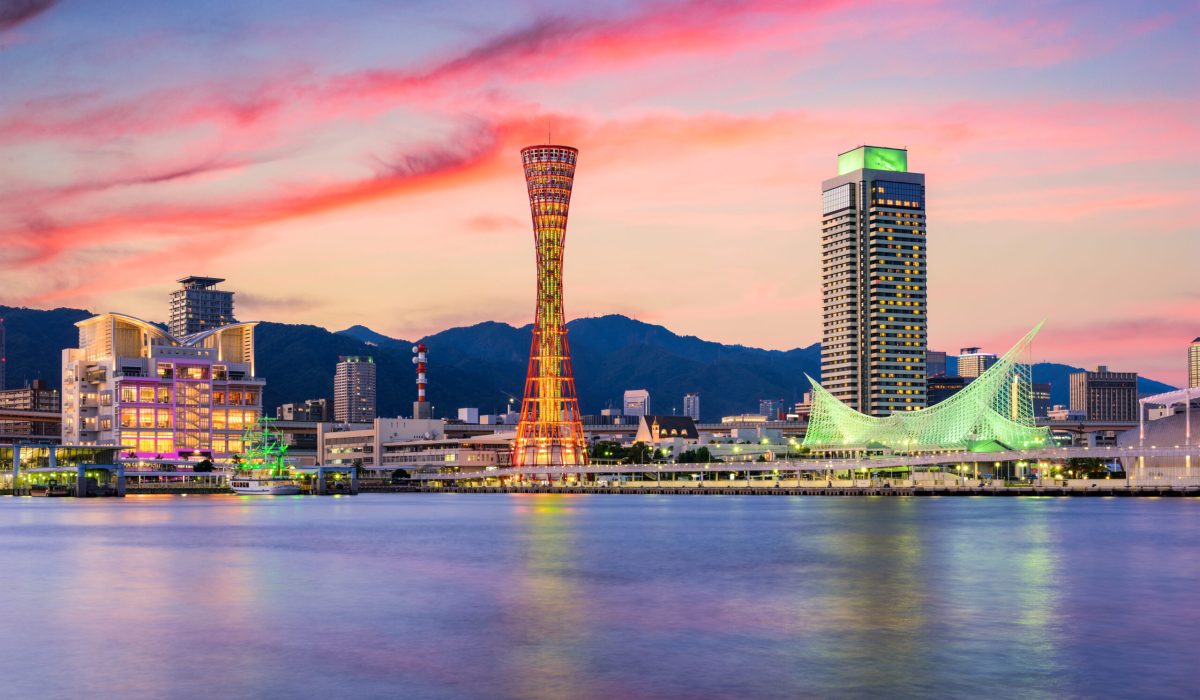
Kobe Port (Harborland and Meriken Park)
his area represents the modern face of the city. Filled with the iconic red Kobe Port Tower, the maritime museum, and large shopping complexes, this waterfront district celebrates Kobe’s strong connection with the sea.
Kitano-cho (Ijinkan District)
- This hillside area, where foreign merchants and diplomats settled in the 19th century, is renowned for its well-preserved Western-style residences. It feels like an open-air museum for exploring Kobe’s international history.
Nankinmachi (Chinatown)
It is one of Japan’s most vibrant and well-known Chinatowns. With its dense street food stalls, steaming bao dumplings, and colorful decorations, it stands as clear evidence of Kobe’s multicultural character.
Mount Rokko
Accessible by cable car, Mount Rokko offers a breathtaking panorama overlooking all of Kobe and Osaka Bay, famously known as the “Ten Million Dollar Night View.”
Cuisine: World-Famous “Kobe Beef”
Kobe’s name is undoubtedly synonymous with Kobe Beef, a global gastronomic legend.
- What Is Kobe Beef?: Kobe beef is a brand used exclusively for meat obtained from purebred Tajima Wagyu cattle raised only in Hyōgo Prefecture and meeting extremely strict certification standards.
- Flavor Difference: Its defining feature is the intense fat marbling woven finely between the muscle fibers. This fat has a very low melting point, giving the meat exceptional tenderness, juiciness, and a rich umami flavor profile.
- The Experience: The most popular way to experience this beef in Kobe is at teppanyaki restaurants, where chefs cook the meat in front of you on a hot iron griddle.
Kobe is a resilient and sophisticated city that has overcome tragedy, carries its international heritage with elegance, and is home to one of the world’s most luxurious culinary delicacies.