


Japanese Martial Arts: Judo, Kendo, Karate, and Aikido
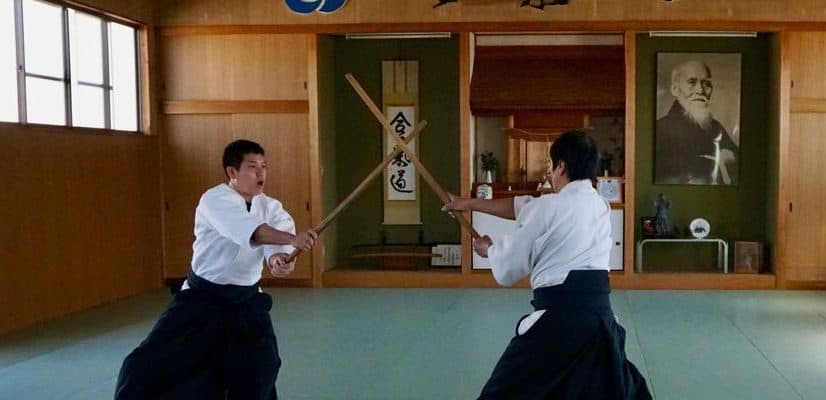
Japan is known for its world-renowned martial arts. Judo, Kendo, Karate-do, and Aikido are among the foremost of these arts, which combine physical and mental discipline. Each is known for its own philosophy, techniques, and practices, and these martial arts do more than teach self-defense; they also contribute to the development of an individual’s character.
Judo: Judo means “the gentle way” and was developed by Jigoro Kano in 1882. It is based on throwing an opponent to the ground, pinning them, or forcing them to submit with joint locks and holds. Beyond physical training, judo is widely regarded as an ethical discipline built on respect, courtesy, and self-control.
Kendo: Kendo means “the way of the sword” and is a modern form of Japanese swordsmanship. It is practiced using bamboo swords (shinai) and protective armor (bogu). Kendo aims to develop both physical and mental focus, and its practice also incorporates meditation techniques.
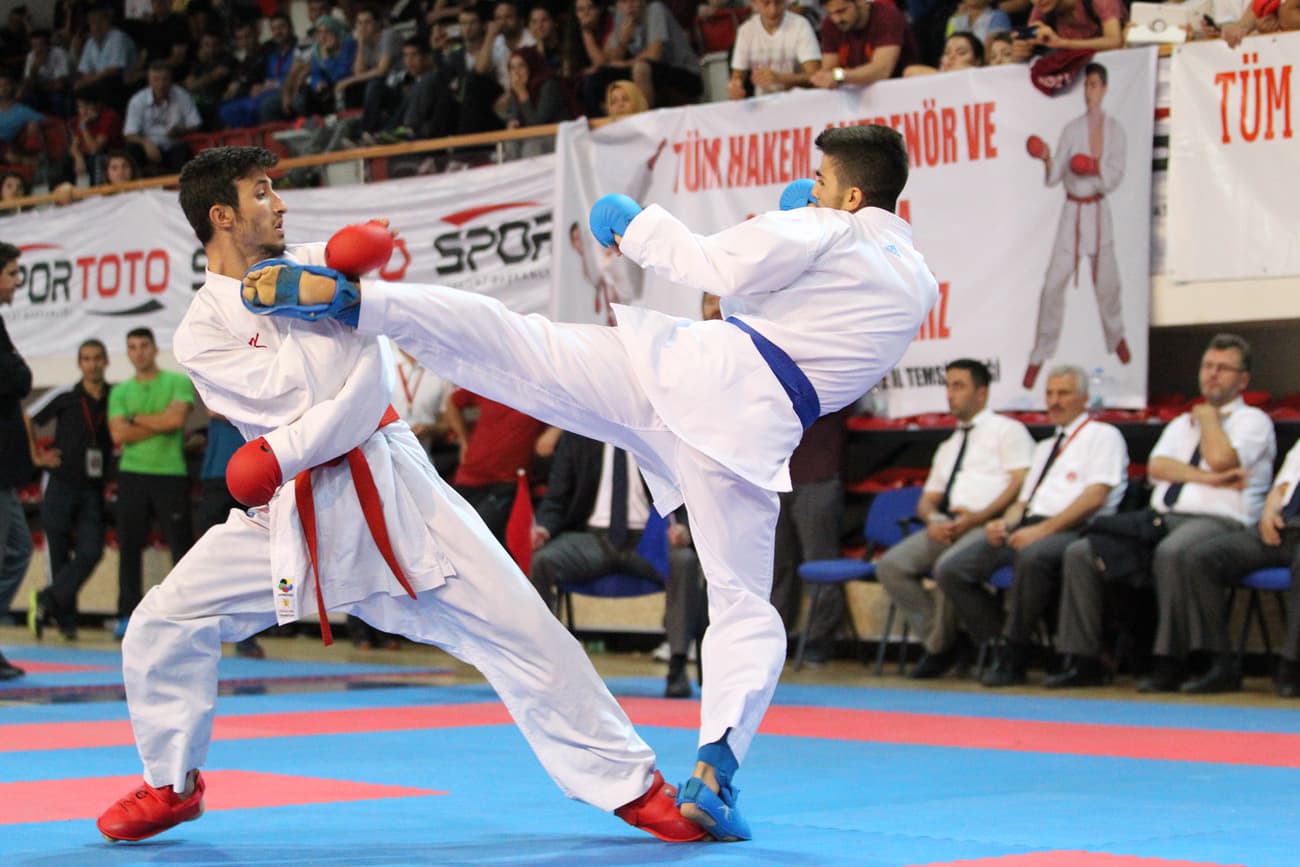
Karate-do: Karate-do means “the way of the empty hand.” It has its roots in Okinawa and took shape as a modern discipline in the early 20th century. Karate uses strikes, kicks, blocks, and open-hand techniques. Karate training not only builds physical strength and endurance but also encourages personal discipline and character development.
Aikido: Aikido means “the way of harmonizing energy” and was created by Morihei Ueshiba in the early 20th century. The art is designed to control an attacker’s force and movement and turn them against the attacker. Aikido practice is generally defensive in nature and emphasizes the balance between softness and strength.
Judo, Kendo, Karate-do, and Aikido represent the diversity and richness of Japanese martial arts. These arts not only offer practitioners self-defense techniques but also help them cultivate discipline, respect, and inner peace. Practiced by countless people around the world, these martial arts are regarded as an important part of Japanese culture.