



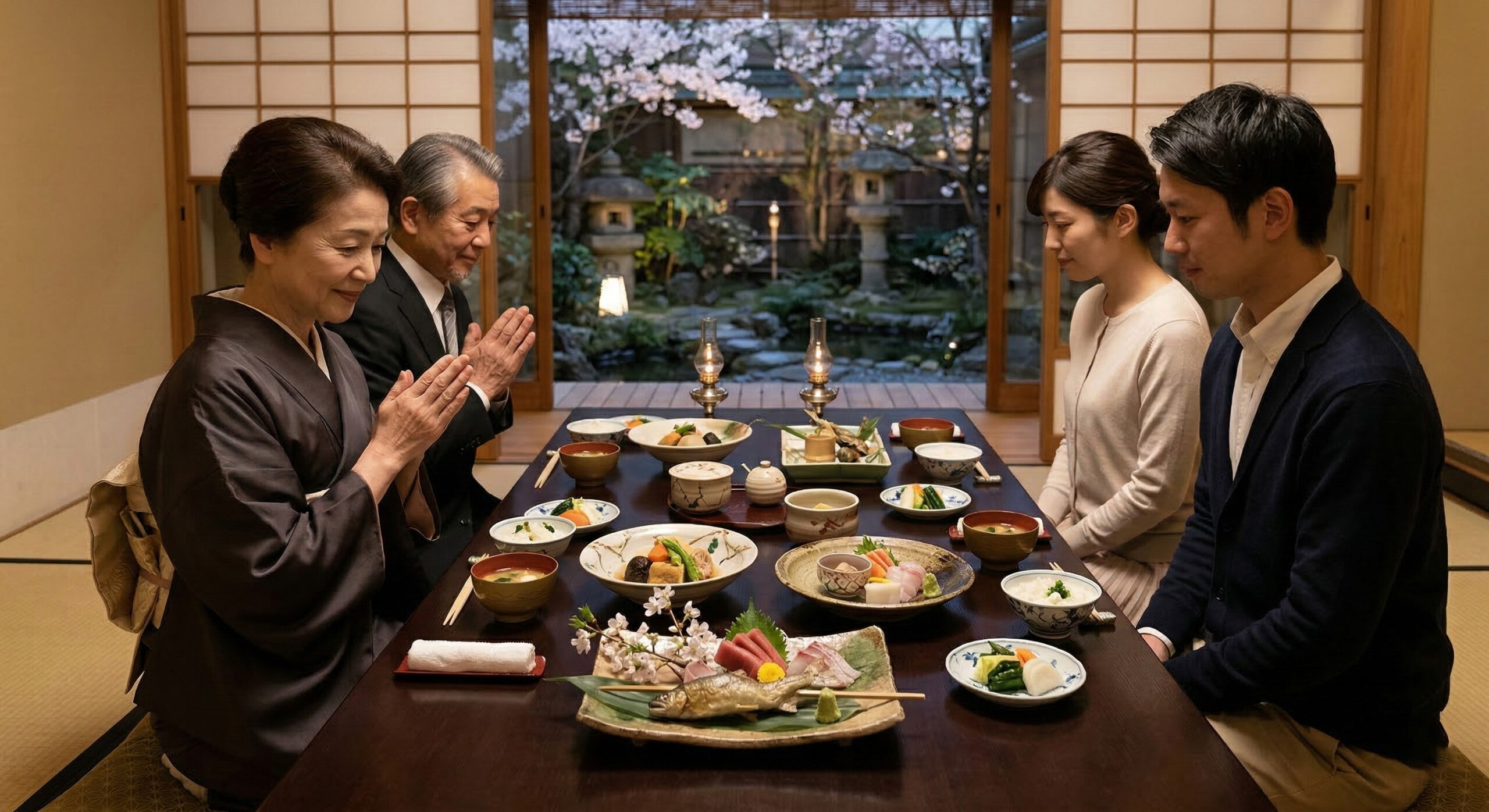
Japanese Culinary Art: The Harmony of Nature, Aesthetics, and Flavor
In Japan, food is not merely something consumed for survival; it is a ritual that pays tribute to the seasons and reflects a deep cultural philosophy. Known as “Washoku” (traditional Japanese cuisine), this culinary tradition has been recognized on UNESCO’s Intangible Cultural Heritage list and represents the elegance hidden within simplicity. Here are the cornerstones of Japan’s world renowned gastronomic culture.
At the heart of Japanese cuisine lies the concept of “Shun,” which means consuming ingredients at the moment when they are at their freshest and most flavorful.
Presentation is just as important as taste in Japanese cuisine. The balance of colors on a plate, the ratio of empty and filled space, and the carefully selected ceramic dishes all reflect the spirit of the meal. Washoku is not only a cooking method but also a reflection of the harmonious relationship between humans and nature.
When people think of Japanese cuisine, two major dishes often come to mind—yet they represent very different culinary worlds.
If Japanese cuisine were an opera, Kaiseki would represent its most magnificent stage. Emerging from the traditional tea ceremony, this multi course dining experience features small, artistic dishes that reflect the chef’s mastery and the spirit of the current season.
To move beyond the formality often associated with Japan and experience the energy of everyday life, one should visit an izakaya. Often described as Japanese style tapas bars, these establishments serve small plates such as yakitori (grilled chicken), tempura, and sashimi, enjoyed alongside sake or beer and lively conversation.
Japanese sweets, known as wagashi, are very different from Western style desserts. They are typically made with red bean paste (anko), rice flour (mochi), and matcha. Known for their subtle sweetness and visual elegance, wagashi are often designed to represent a flower or seasonal event associated with the current month.
The Dining Table as a Way of Life
Japanese food culture is a living heritage that blends the disciplined traditions of the past with the innovative presentation of the modern world. The deep sense of respect present in every bite reflects not only Japan’s approach to cuisine but also its philosophy of life.