



Fukuoka: Kyushu’s Dynamic Gateway and a Gastronomic Heaven
- Homepage
- Fukuoka: Kyushu’s Dynamic Gateway and a Gastronomic Heaven
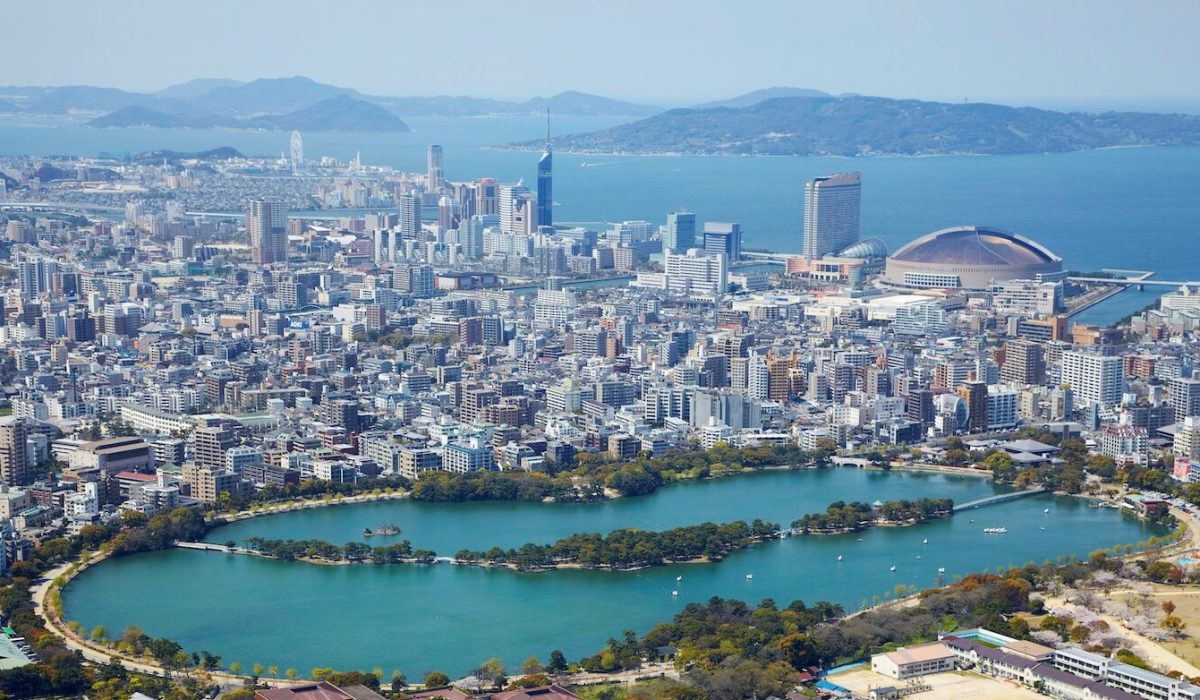
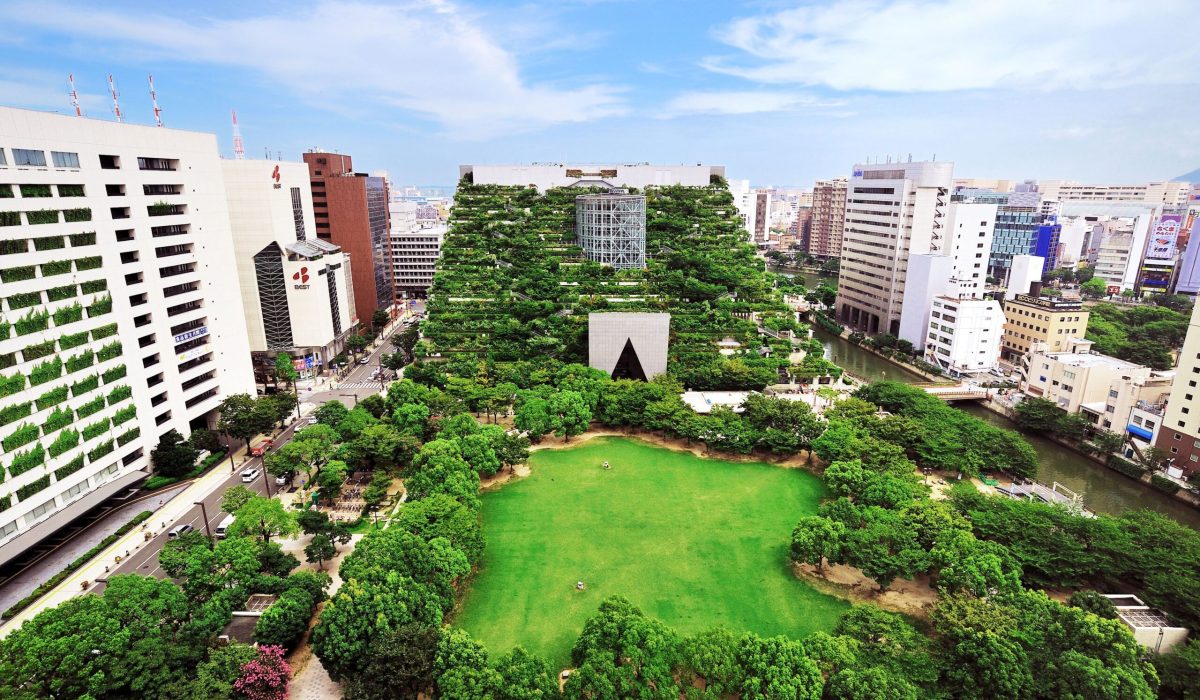
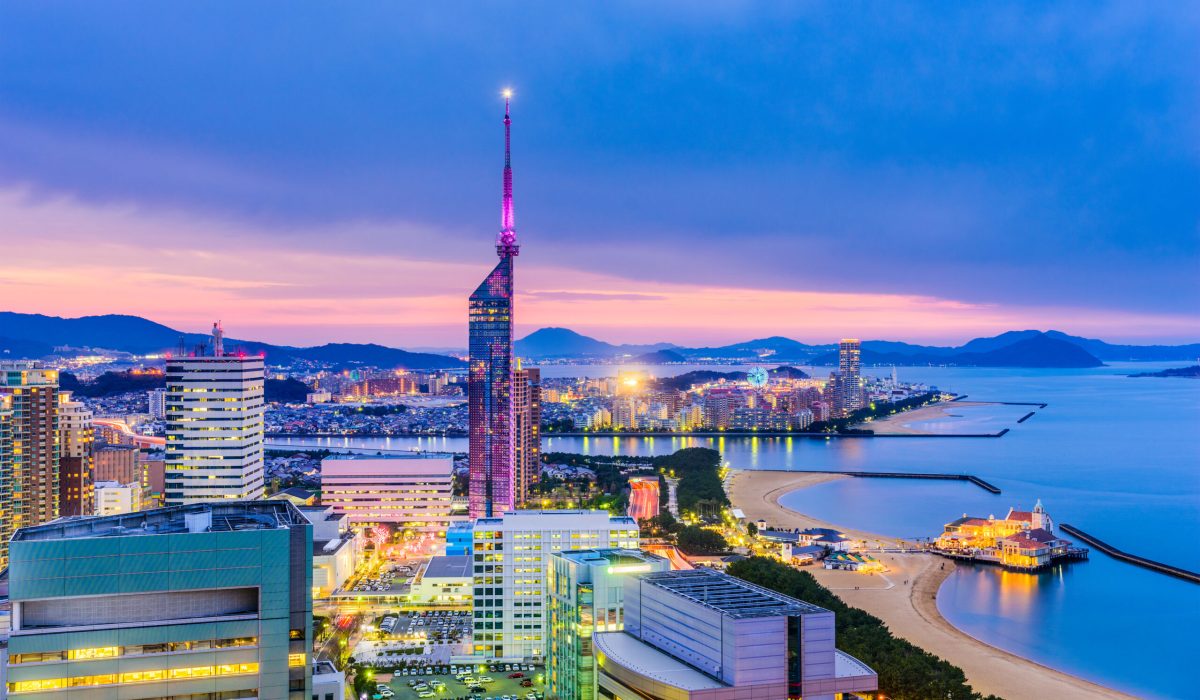
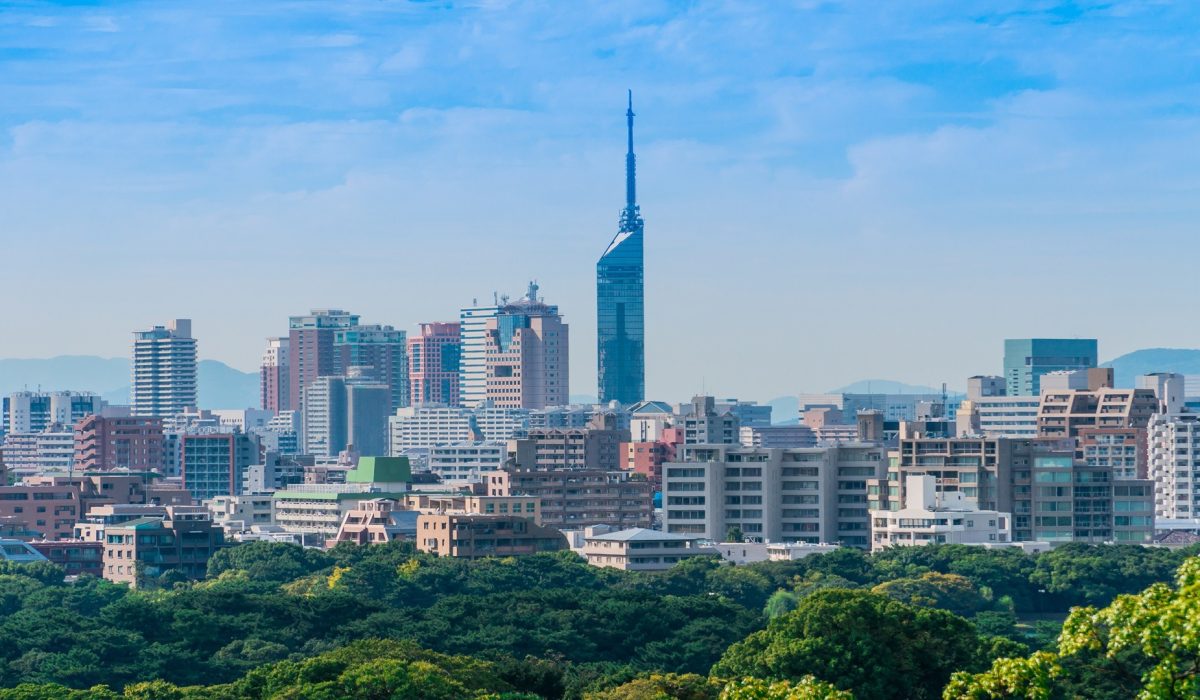
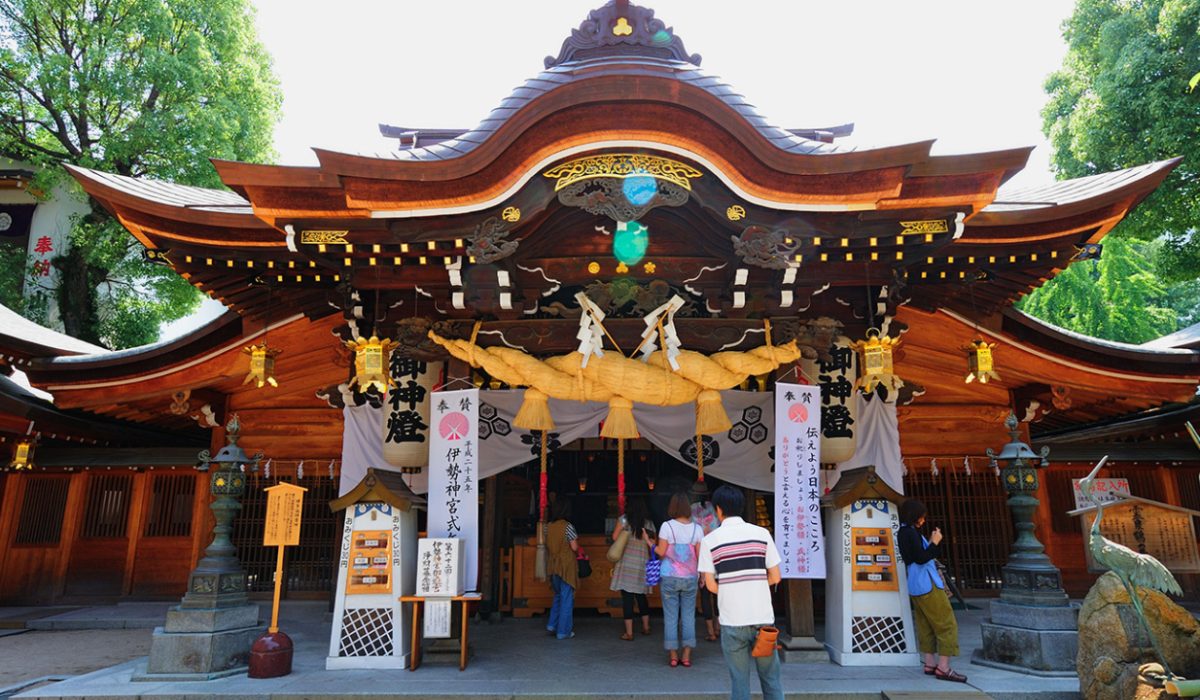
As the largest city and primary gateway of Kyushu in southern Japan, Fukuoka has historically served as a strategic port city open to the Asian mainland, particularly South Korea and China. This geographic proximity has given Fukuoka an outward-looking, international, and dynamic character that sets it apart from much of the rest of Japan.
The city combines the full energy of a modern metropolis with a rich historical heritage and one of Japan’s most celebrated food cultures. Fukuoka is often cited as one of the Japanese cities with the highest quality of life.
The City’s Rhythm: Hakata Spirit and Modern Tenjin
Fukuoka’s modern identity was formed through the merging of two historic cities, and this dual character is still clearly felt today:
- Hakata (Eastern Side): The historic trading port and traditional core of the city. The “Hakata spirit” represents the city’s commercial acumen, warm-hearted people, and energetic festivals such as Hakata Gion Yamakasa. The main railway hub, Hakata Station, is also located in this area.
- Tenjin (Western Side): Formerly a castle town, it is now the city’s modern administrative and fashion center. The Tenjin area, with its vast underground shopping malls, luxury stores, and youth culture, represents the contemporary face of Fukuoka.
These two districts are separated by the Naka River, and Nakasu Island in the middle of the river is the city’s most famous nightlife and entertainment hub.
Key Destinations and Historical Heritage
Thanks to its compact layout, Fukuoka offers easy access to both historic and modern sites.
Ohori Park
This large park, an oasis in the heart of the city, is centered around a spacious pond built on the site of a former castle moat. It is a popular spot for jogging, walking, and visiting the lakeside Fukuoka Art Museum.
Canal City Hakata
Located between Hakata and Tenjin, this massive shopping and entertainment complex is designed around an artificial canal running through it. With shops, restaurants, cinemas, and water shows, it embodies the concept of a “city within a city.”
Dazaifu Tenmangu Shrine
Located just outside Fukuoka’s city center, Dazaifu Tenmangu is one of Japan’s most important Shinto shrines. It is dedicated to Sugawara no Michizane, the deity of wisdom, learning, and calligraphy. The shrine is especially popular during exam seasons, attracting students and those seeking academic success.
Fukuoka Castle Ruins (Maizuru Park)
Located right next to the Tenjin area, this park is built around the stone walls and remains of Fukuoka’s former castle. It is especially popular as a viewing spot during the cherry blossom season.
Cuisine: Birthplace of Tonkotsu Ramen and Yatai
Fukuoka is one of Japan’s most important gastronomic centers and the birthplace of many iconic dishes.
- Hakata (Tonkotsu) Ramen: Fukuoka’s gift to the world. This ramen style is based on a rich, creamy pork-bone broth made by simmering bones for hours, served with thin and firm noodles. World-famous ramen chains such as Ichiran and Ippudo originated here.
- Yatai (Street Food Stalls): One of Fukuoka’s most authentic experiences is the open-air food stalls known as yatai, which appear in the evenings around Nakasu Island and the Tenjin area. With around 100 small stalls, visitors can enjoy ramen, yakitori grilled chicken skewers, oden hot pot dishes, and casual conversations with locals.
- Motsunabe: A hearty local hot pot unique to Fukuoka, made with beef or pork offal, cabbage, garlic chives, and other vegetables simmered in a soy sauce or miso-based broth.
With its relaxed lifestyle, close ties to Asia, modern urban amenities, and above all a rich food culture that reflects its spirit, Fukuoka is one of Japan’s most dynamic and enjoyable cities.