



Yokohama: Japan’s Cosmopolitan Port Gateway
- Homepage
- Yokohama: Japan’s Cosmopolitan Port Gateway
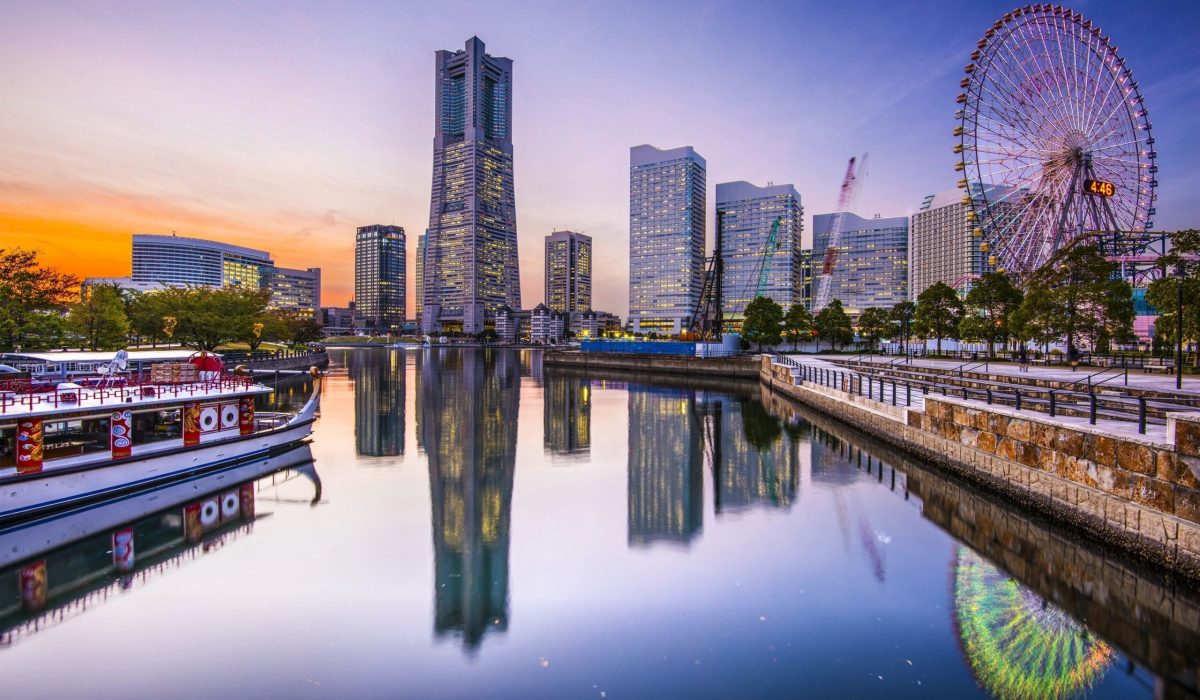
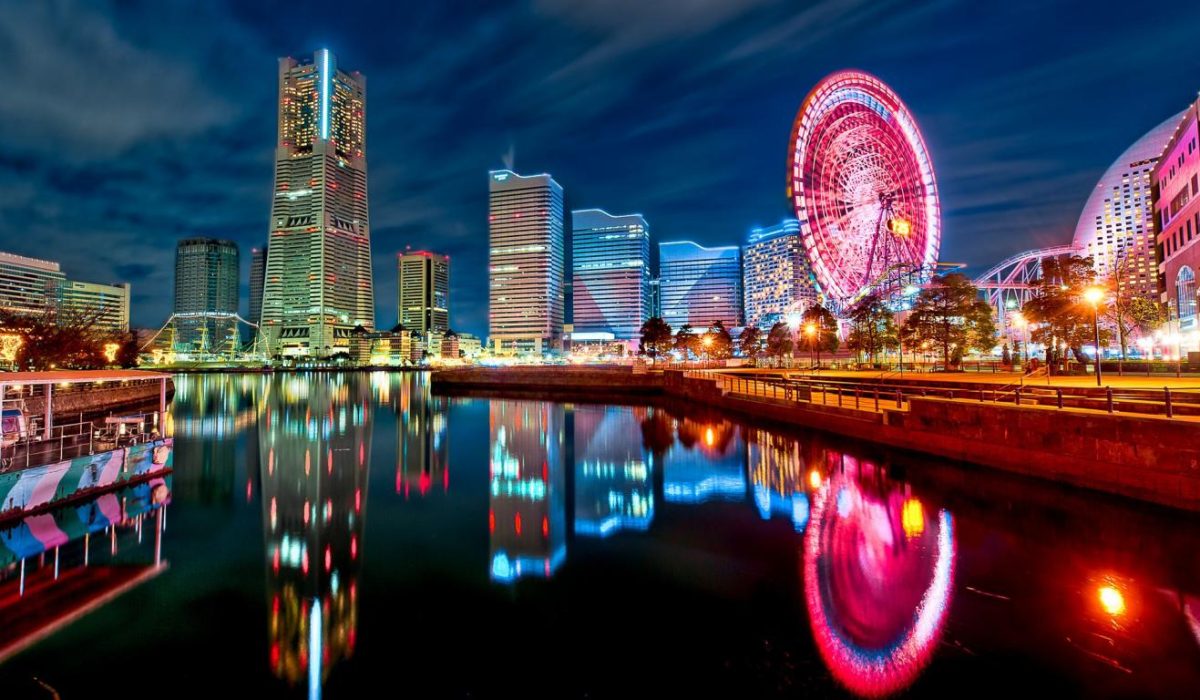
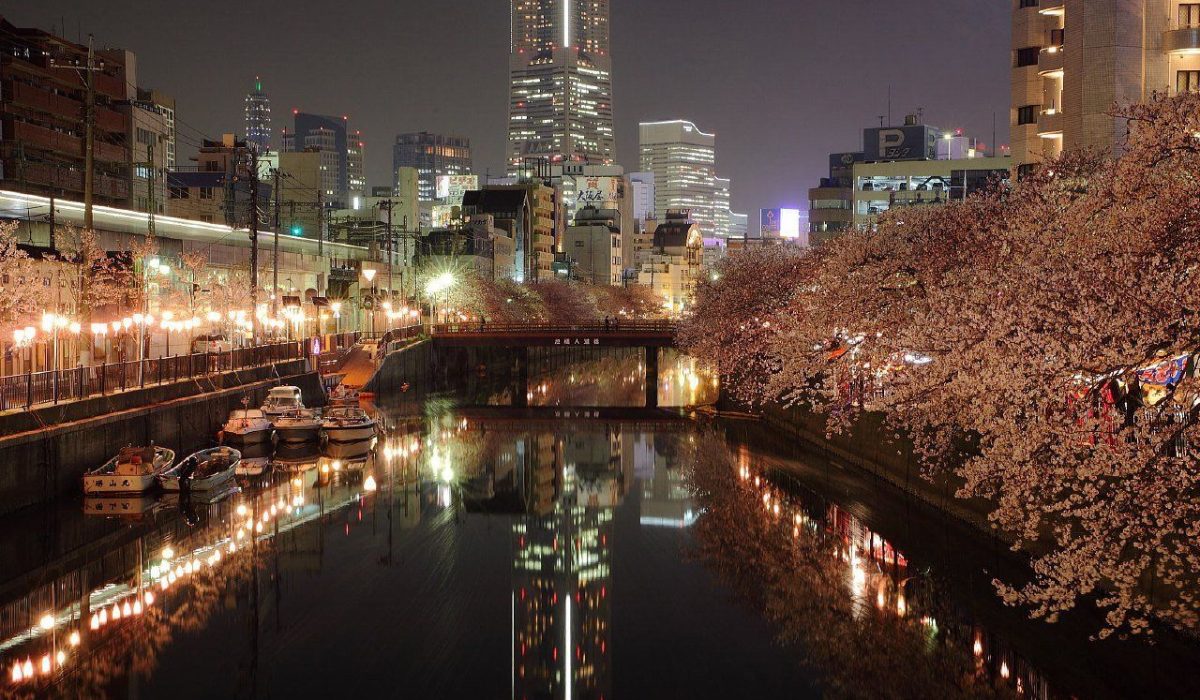
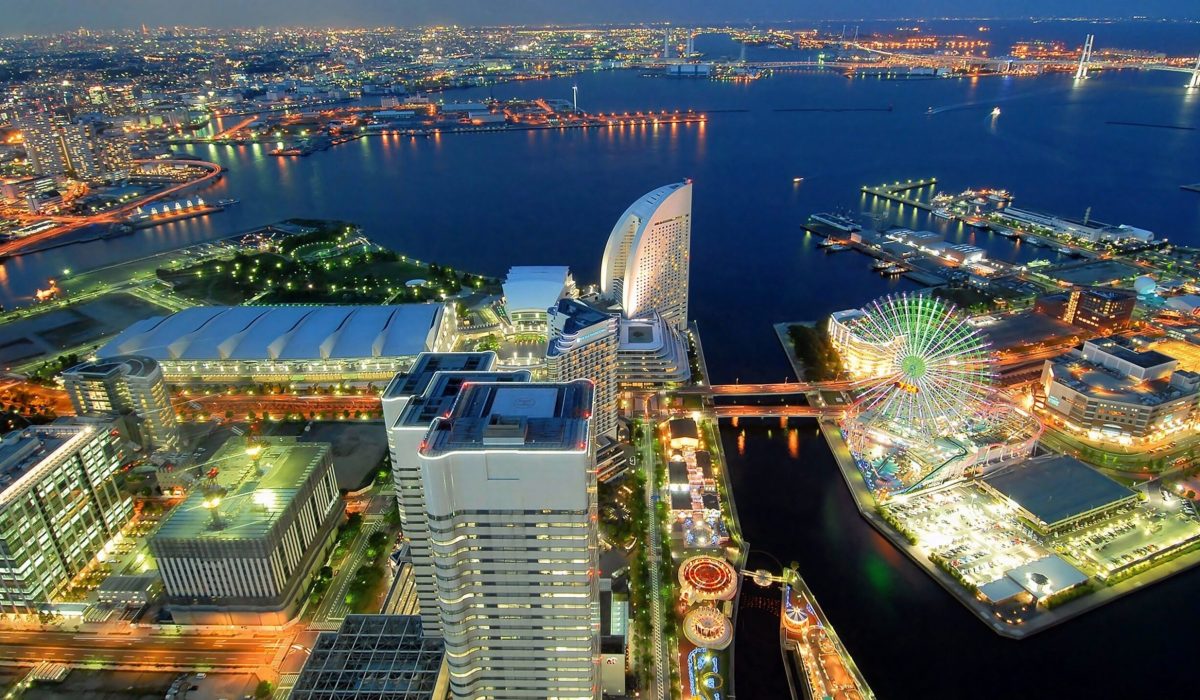
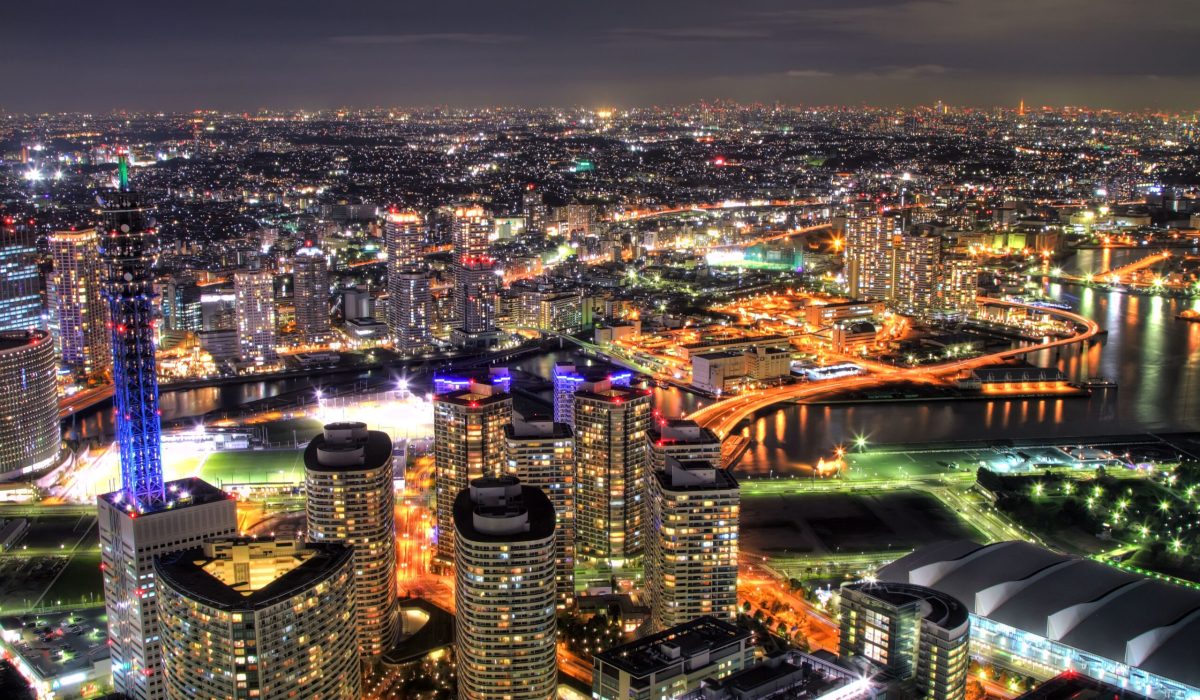
Japan’s second-largest city and the capital of Kanagawa Prefecture, Yokohama is a vibrant metropolis facing Tokyo Bay, located about 30 minutes south of Tokyo. It is not only an industrial and commercial hub but also a cosmopolitan port city of deep historical significance, known as one of the places where Japan’s modernization began during the Meiji Restoration.
In 1859, Yokohama became one of the first ports to open to foreign trade, ending Japan’s 200-year isolation policy. Since then, it has served as a bridge between Japan and the Western world, and this international exchange has permanently shaped the city’s architecture, culture, and cuisine.
The City’s Rhythm: Spacious, International, and Innovative
In contrast to Tokyo’s dense and hectic pace, Yokohama offers a more open, airy, and relaxed atmosphere.
- Cosmopolitan Living: The city’s port identity has fostered an open-minded and international character. Neighborhoods with large foreign communities and international schools support this multicultural environment.
- Sea and Urban Life: The expansive waterfront, parks, and open spaces allow residents to spend time by the sea, offering a quality of life that is difficult to find in Tokyo.
- A Center of Innovation: Yokohama has historically been the site of many national firsts in Japan, including the country’s first beer, first ice cream, first English-language newspaper, and the first railway line connecting to Tokyo. This innovative spirit continues in the city’s modern urban planning today.
Modern Skyline and Historical Heritage
Yokohama seamlessly blends one of Japan’s most recognizable modern skylines with its rich historical fabric.
Minato Mirai 21
Meaning “Port of the Future,” this district represents Yokohama’s modern face. It is filled with striking architecture, luxury hotels, shopping complexes, and museums. Its landmark, Yokohama Landmark Tower, is one of Japan’s tallest buildings and offers spectacular city views from the Sky Garden observation deck.
Yokohama Chinatown
One of Japan’s largest and one of the world’s biggest Chinatowns. Filled with hundreds of restaurants, street food stalls, and colorful temples, this lively district stands as living proof of the city’s multicultural history.
Yamashita Park and the Waterfront
Stretching along the bay, this expansive public park was created using debris from the 1923 Great Kanto Earthquake. It offers views of the harbor, the iconic Akarenga Soko (Red Brick Warehouses), and the permanently moored historic passenger ship Hikawa Maru.
Sankeien Garden
Located slightly away from the city’s modern center, this traditional Japanese garden is an oasis of tranquility. It features historically significant buildings relocated from across Japan, including pagodas, tea houses, and former samurai residences.
Cuisine: Port Flavors and Culinary Heritage
Yokohama’s international history is clearly reflected in its cuisine. The city is one of the key centers of yōshoku, Western-style dishes adapted to Japanese tastes.
Noodle Museums: The city is home to unique food-focused museums. The Cup Noodles Museum honors the history of instant noodles and their creator Momofuku Ando, while the Shin-Yokohama Ramen Museum allows visitors to sample ramen styles from across Japan in a setting inspired by 1950s Japan.
Chinatown Flavors: Dishes such as nikuman steamed meat buns, gyoza dumplings, and countless street foods make Chinatown a major gastronomic destination.
Although located right next to Tokyo, Yokohama offers a completely different and rewarding world, defined by its open waterfront, rich international heritage, and uniquely relaxed lifestyle.