



Shiga Prefecture: Home of Lake Biwa, Japan’s Largest Lake
- Homepage
- Shiga Prefecture: Home of Lake Biwa, Japan’s Largest Lake
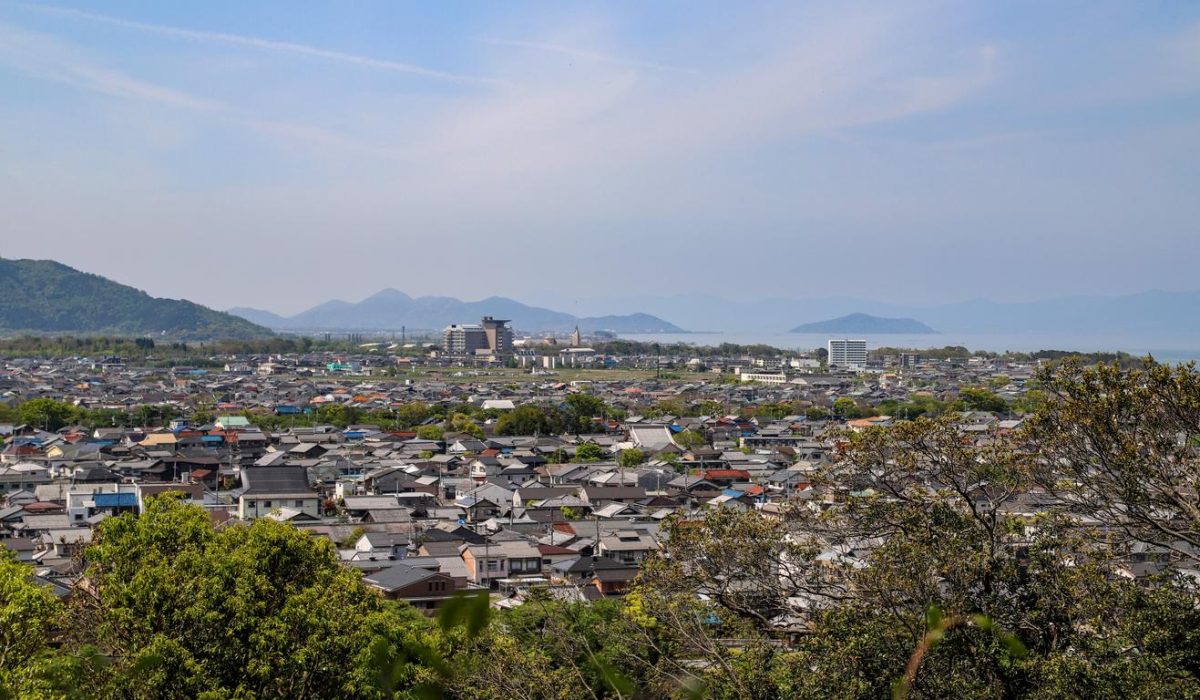
Located in Japan’s Kansai region, Shiga Prefecture has a unique geography that completely surrounds Lake Biwa (Biwako), the country’s largest and most important natural landmark. Historically known as Omi Province, the area has long been a crossroads of Japan’s main trade routes and military strategies due to its position just east of Kyoto.
Shiga is a place where nature and history meet, offering magnificent lake scenery, one of Japan’s best-preserved castles, and one of the country’s most prestigious types of beef.
The Prefecture’s Rhythm: Lake-Centered Life
Life in Shiga takes its rhythm from Lake Biwa.
- Japan’s Lake: Covering roughly one-sixth of the prefecture, Lake Biwa is not just a body of water but the cultural, economic, and spiritual center of Shiga.
- Nature and Activity: The lake is a hub for water sports such as sailing, canoeing, and swimming, as well as fishing and lakeside cycling. The “Biwaiichi” route, which circles the lake, is one of Japan’s most popular cycling courses.
- Historic Corridor: Its proximity to Kyoto made Shiga a strategic prize for feudal lords throughout history. Traces of samurai history and major battles can be found across the prefecture.
- Water Source: Lake Biwa is also a vital source of drinking water for millions of people in the Kansai region, including Kyoto and Osaka.
Key Destinations and Historical Heritage
Shiga’s appeal comes from the historical and natural wonders scattered around the lake.
Hikone Castle (Hikone-jō)
Hikone Castle, Shiga’s most important symbol, is one of only twelve original castles in Japan that have survived from the feudal era to the present day. Dating back to the Edo Period, it is designated as a National Treasure. Overlooking Lake Biwa, this imposing structure is considered one of the finest examples of samurai architecture.
Lake Biwa (Biwako)
The lake itself is a destination. The scenic views along the northern shore and the famous torii gate of Shirahige Shrine standing in the water on the western side are especially popular with visitors.
Omihachiman
A historic merchant town, Omihachiman is renowned for its network of man-made canals developed around the castle and connected to Lake Biwa. Its well-preserved traditional houses and boat tours along the canals transport visitors back in time.
Enryaku-ji Temple (Mount Hiei)
Located on Mount Hiei along the border between Kyoto and Shiga, Enryaku-ji is the principal center of the Tendai school of Japanese Buddhism. This UNESCO World Heritage Site has had a profound influence on Japanese history.
Cuisine: “Omi Beef” and Lake Delicacies
Shiga holds a distinguished place on Japan’s luxury culinary map, especially for one iconic specialty.
- Omi Beef (Omi Gyu): Regarded as one of Japan’s top three Wagyu brands alongside Kobe and Matsusaka beef, Omi beef is renowned for its exceptional marbling and tenderness. It is one of the prefecture’s greatest culinary prides.
- Funazushi: An ancient style of sushi made by fermenting a type of crucian carp from Lake Biwa with salt and rice for months or even years. Known for its sharp and intense flavor, it is considered one of the origins of sushi.
- Aka Konnyaku: A local specialty, this red-colored konnyaku plant-based gelatin is commonly served in oden hot pot dishes or with miso sauce.
Shiga Prefecture is a hidden treasure that brings together the tranquility of Japan’s largest lake, the historic grandeur of one of its most important castles, and the luxurious taste of one of the country’s finest Wagyu beefs.