



Nagano Prefecture: Japan’s Alps, Olympic Legacy, and Natural Living
- Homepage
- Nagano Prefecture: Japan’s Alps, Olympic Legacy, and Natural Living
Located in central Japan and entirely landlocked, Nagano Prefecture is known as the “Roof of Japan.” Home to the country’s most majestic mountain ranges, the Japanese Alps including the Northern, Central, and Southern Alps, the region is a four-season destination that attracts outdoor sports enthusiasts, history lovers, and those seeking tranquility throughout the year.
Nagano gained international recognition by hosting the 1998 Winter Olympics and offers an exceptional blend of untouched nature, profound spiritual centers, and a rich samurai heritage.
The Prefecture’s Rhythm: Rule of the Mountains and an Active Lifestyle
Life in Nagano is shaped entirely by the rhythm of the mountains and the changing seasons.
- Japan’s Roof: The prefecture is home to many of Japan’s highest peaks. This geography brings clean air, pure water sources, and a naturally healthy lifestyle. Nagano is known as one of the regions with the highest life expectancy in Japan.
- Winter Sports Legacy: The legacy of the 1998 Winter Olympics is an integral part of the prefecture’s identity. World-class ski resorts such as Hakuba Valley and Shiga Kogen attract skiers and snowboarders from around the world during winter.
- Four-Season Adventure: Mountains covered in snow during winter transform into lush hiking and climbing routes in the summer months.
Key Destinations and Historical Wonders
Beyond its capital city, Nagano Prefecture is home to iconic sites spread throughout the region.
Nagano and Zenko-ji Temple
Nagano City, the prefectural capital, is home to Zenko-ji, one of Japan’s most important and most visited temples. Founded in the 7th century, the temple is renowned for being non-sectarian and is believed to enshrine the first Buddhist statue ever brought to Japan.
Matsumoto Castle (Matsumoto-jō)
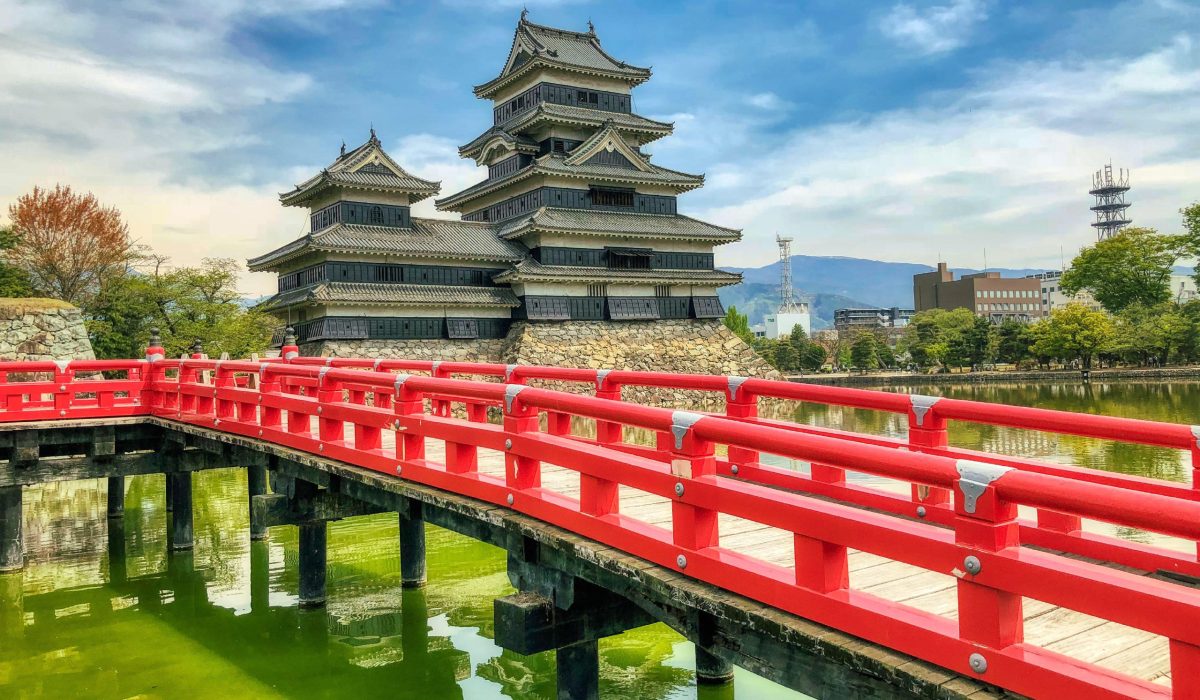
Located in Matsumoto, another major city in Nagano Prefecture, this castle is regarded as one of Japan’s most beautiful and best-preserved original castles. Known as the “Crow Castle” due to its black exterior, it is also rare for being built on flat land as a hirajiro-style castle.
Jigokudani Monkey Park
This world-famous park is home to wild Japanese macaques, also known as snow monkeys, that warm themselves by bathing in natural hot springs during the winter months. It is one of Japan’s most iconic winter scenes.
Kiso Valley and the Nakasendo
Located in the southern part of Nagano, the Kiso Valley preserves sections of the historic Nakasendo trade route, which connected Tokyo (Edo) and Kyoto during the Edo period. In particular, Tsumago-juku and Magome-juku offer a journey back in time as fully restored, car-free post towns.
Cuisine: Birthplace of Soba Noodles
Nagano’s harsh climate and pure waters have shaped a distinctive culinary culture.
- Shinshu Soba: Nagano’s former name is Shinshu, and the region is famous for producing some of Japan’s finest soba buckwheat noodles. The high-altitude, cool climate provides ideal conditions for growing buckwheat.
- Oyaki: A local dumpling-style dish, typically steamed or pan-fried, filled with vegetables such as nozawana pickles, mushrooms, or sweet red bean paste (anko).
- Nozawana-zuke: A pickle made from a locally grown mustard green, commonly served as a side dish with rice.
- Wasabi: Places such as Daio Wasabi Farm are among Japan’s largest and highest-quality wasabi producers, as the plant grows only in extremely clean, cold spring water.
- Apples: Nagano is one of Japan’s leading apple-producing regions.
Nagano Prefecture offers a world completely different from Tokyo’s modern crowds. It is a retreat defined by clean air, majestic mountains, deep history, and some of Japan’s most authentic flavors.