



Japanese Work Discipline: The Secret Behind Perfection and Continuous Improvement
One of the first concepts that comes to mind when Japan is mentioned is its unwavering work ethic and discipline. This discipline, which can be seen as the spirit of the traditional samurai carried into modern office buildings, is built upon precision, loyalty, and the relentless pursuit of perfection. Let us take a closer look at the cultural codes that have turned the Japanese business world into a global benchmark.
The Japanese approach to work is not shaped by coincidence, but by a cultural heritage that has developed over centuries.
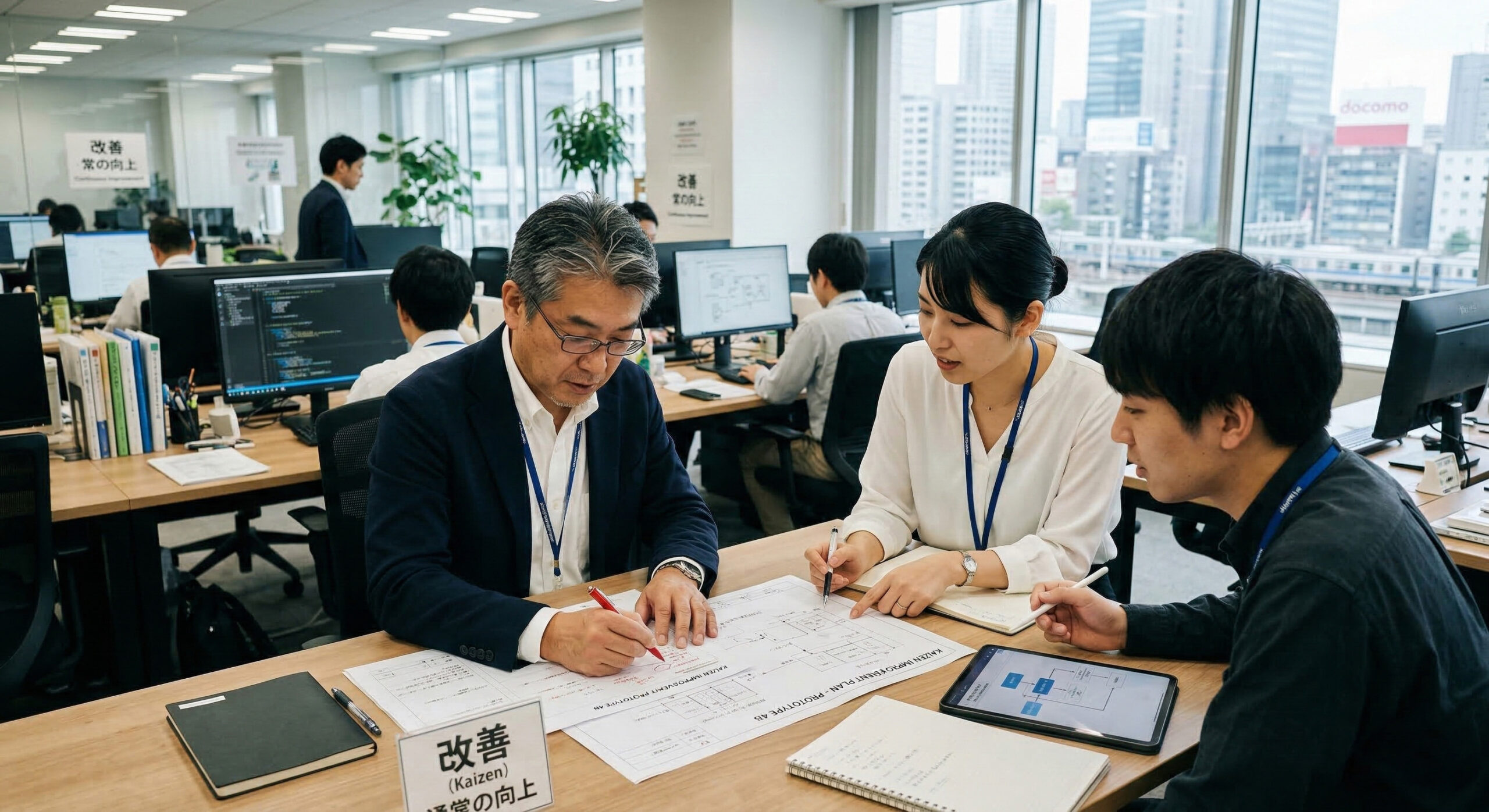
Kaizen: The Philosophy of Continuous Improvement
At the heart of Japanese work discipline lies Kaizen. According to this philosophy, no matter how good a process may be, it can always be improved. The pursuit of perfection through small but continuous steps explains why Japanese brands have become synonymous with quality.
Perfection and Precision in the Details
In Japanese business culture, the concept of “good enough” does not exist. From product packaging to the most complex technological components, every detail is examined under the highest standards. This meticulous approach creates a discipline that minimizes the margin of error.
Team Spirit and Collective Decision Making
Instead of relying on individual decisions, a process is followed in which the opinions of all stakeholders are considered. Meetings may take longer, but once a decision is made, the entire team focuses on implementing it with full alignment.
Professional life in Japan operates within a framework of established rituals and strict rules.
The fact that some of the world’s largest automotive and technology companies originate from Japan is no coincidence. Japan’s focus on total quality management and efficiency driven discipline has been adopted by many Western companies as a “best practice.”
Discipline as a Way of Life
Japanese work discipline is not simply about working long hours. It is about performing one’s work with the highest level of quality, respect, and awareness of contributing to society. The combination of meticulousness, collective spirit, and the Kaizen philosophy has elevated Japan to a difficult to reach position in the global business world.