
Japan Climate Guide: The Magic of Four Seasons and Geographic Diversity
Stretching from north to south as a long and narrow archipelago, Japan possesses one of the world’s most diverse climate ranges thanks to its geographic location. From snow covered mountains in the north influenced by Siberian cold air to turquoise beaches in the south under a tropical climate, this diversity turns travel in Japan into a different experience in every season.
Below is what you need to know about Japan’s climatic features and seasonal cycle:
- General Climate Characteristics
Although Japan lies in the temperate zone, its elongated geography prevents it from being defined by a single climate type.
- North–South Contrast: Northern regions (Hokkaido) experience harsh winters under subarctic influence, while the southern tip (Okinawa) enjoys a mild and warm subtropical climate year round. This creates one of the rare geographies where skiing and swimming can be enjoyed in the same season.
- Seasonal Cycle and Lifestyle
Japanese culture has evolved in harmony with the rhythm of nature. Each of the four seasons brings its own rituals and festivals.
- Winter (December–February): Northern regions and the Sea of Japan coast receive heavy snowfall. This is the ideal season for world famous ski resorts and relaxing hot spring (onsen) experiences. The Pacific coast (Tokyo, Osaka) is colder but generally drier and sunnier.
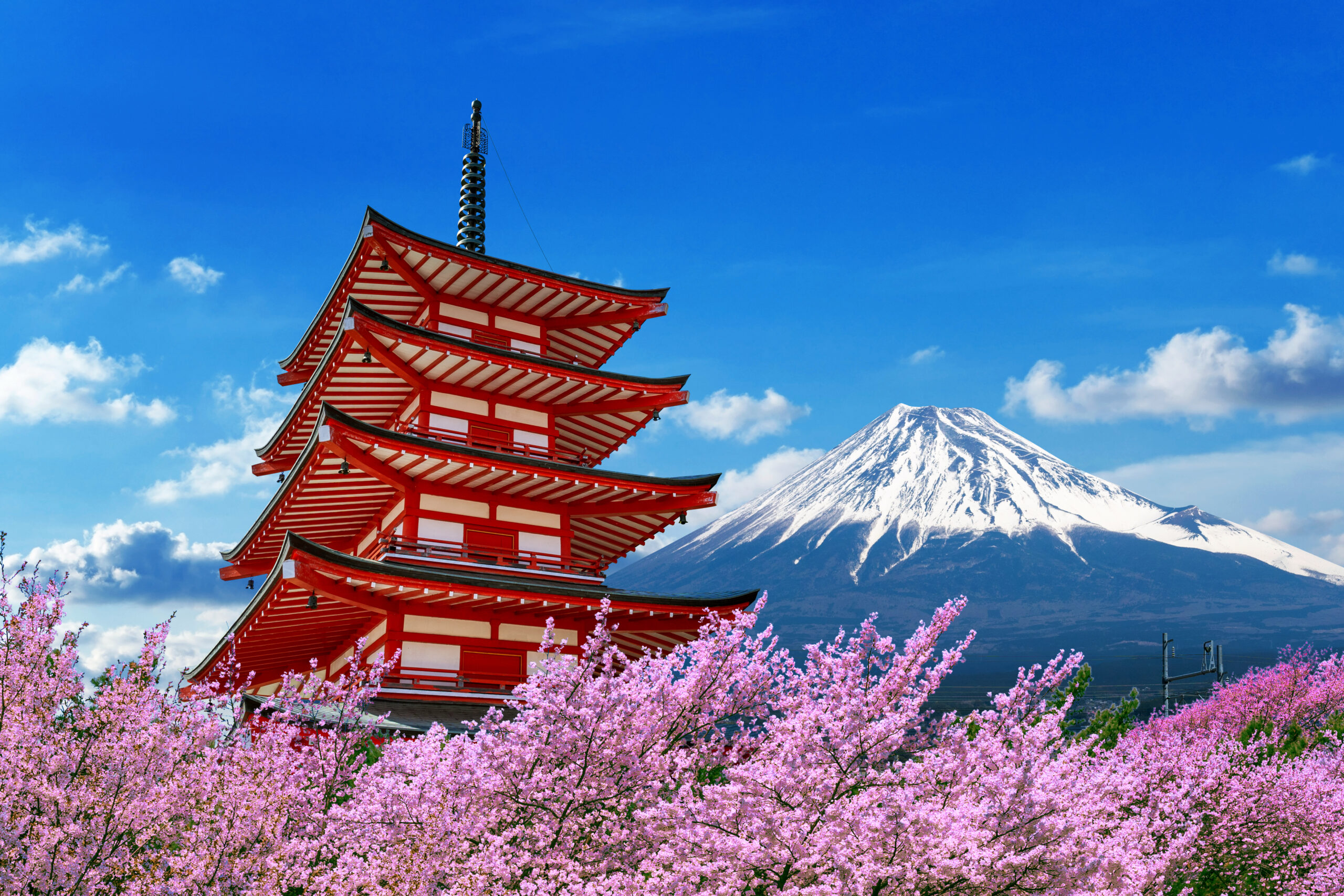
- Spring (March–May): A season of renewal. Iconic cherry blossoms (sakura) bloom across the country. Hanami (flower viewing) picnics fill parks, marking one of the most vibrant periods of Japanese culture. Temperatures are ideal for sightseeing.
- Summer (June–August): Begins with the rainy season (tsuyu) in early June, followed by hot and humid weather. Summer is famous for spectacular fireworks festivals (hanabi) and lively street festivals (matsuri).
- Autumn (September–November): Humidity fades, giving way to a cool and clear atmosphere. The koyo season, when leaves turn red and gold, offers breathtaking scenery ideal for hiking and temple visits.
- Regional Climate Differences
When planning your travel route, regional climate variations should be considered:
- Northern Japan (Hokkaido): Long, harsh winters with heavy snowfall. Summers are cool, dry, and refreshing, making it a popular escape from Japan’s summer heat.
- Central Japan (Honshu): The main island, home to Tokyo, Kyoto, and Osaka. All four seasons are clearly defined. Summers are hot and humid, while winters are relatively mild but windy.
- Southern Japan (Kyushu and Okinawa): A tropical climate dominates. Even in winter, temperatures rarely fall below 15°C. With turquoise seas and coral reefs, it is Japan’s premier holiday destination.
- Natural Dynamics: Typhoon Season
Located along the Pacific Ring of Fire, Japan may experience typhoons, especially from late summer to early autumn (August–September). While these storms bring strong winds and heavy rain, Japan has one of the world’s most advanced infrastructures and early warning systems. Following weather forecasts is generally sufficient when traveling.
From snow covered temples to cherry blossom filled parks, from humid summer festivals to crimson autumn forests, Japan reveals a different face in every season. This climatic richness makes Japan a truly unique destination that can be visited at any time of the year.