



Saitama Prefecture: Tokyo’s Neighbor, Historic “Little Edo,” and a Natural Retreat
- Homepage
- Saitama Prefecture: Tokyo’s Neighbor, Historic “Little Edo,” and a Natural Retreat
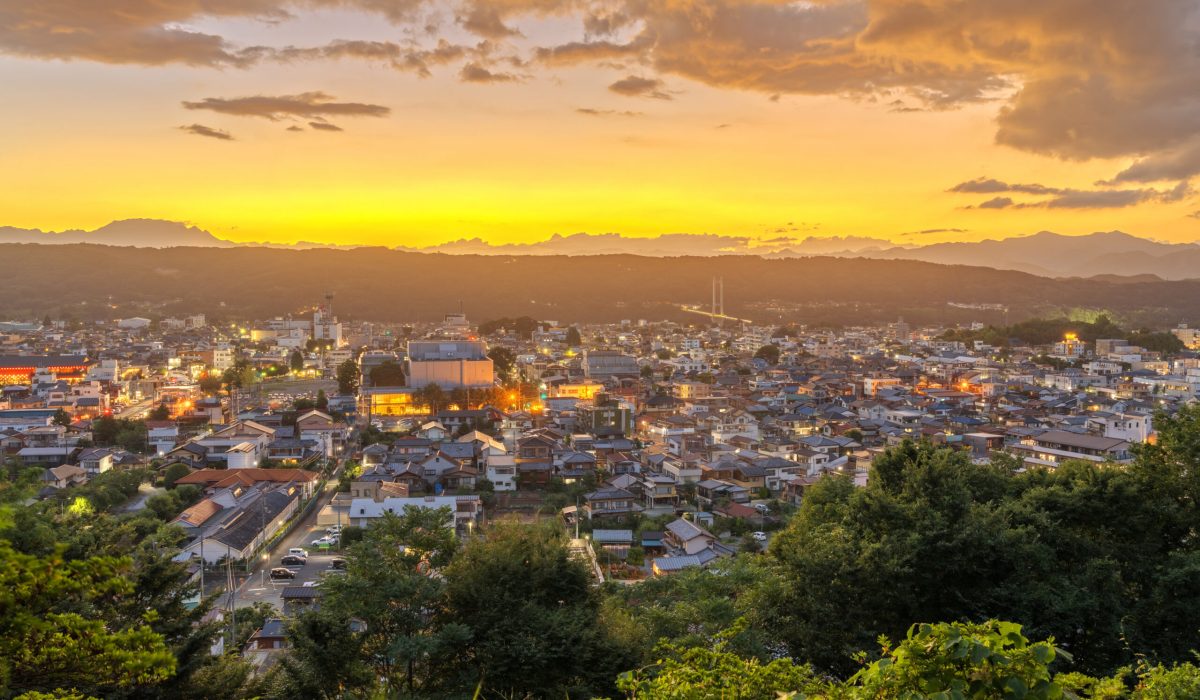
Saitama Prefecture: Tokyo’s Neighbor, Historic “Little Edo,” and a Natural Retreat
Located just north of Tokyo, Saitama Prefecture is a vital part of Japan’s largest metropolitan region. Although it is often described as a suburban area or a “bedroom community” for the capital, this common perception overlooks Saitama’s deep history, rich culture, and extensive natural landscapes.
Saitama is a region of contrasts, offering a modern urban lifestyle closely connected to Tokyo on one hand, while on the other guiding visitors to the authentic streets of the Edo Period or to the majestic mountains of Chichibu.
The City’s Rhythm: Accessibility and Two Distinct Worlds
Saitama’s rhythm of life is sharply divided into two contrasting sides, shaped by its geographic location.
- Southern Area (Urban Life): Saitama City, including southern districts such as Omiya and Urawa, consists of dense urban centers with excellent train connections to Tokyo. Life here is shaped by the pace of millions who commute to and from the capital, making it modern, fast, and highly accessible.
- Northern and Western Areas (Nature and Tradition): As one moves westward within the prefecture, especially toward the Chichibu area, the landscape changes completely. Mountains, forests, rivers, and traditional farmland replace the cityscape. The rhythm of life here is much slower and closely connected to nature.
Key Destinations and Historical Heritage
Saitama’s true treasures lie in its historical and natural centers, all easily accessible from Tokyo.
Kawagoe: “Little Edo” (Koedo)
Kawagoe, Saitama’s most prominent tourist attraction, is a former merchant town that has remarkably preserved its appearance from the Edo Period.
- Kurazukuri Street: The main street lined with fire-resistant traditional warehouse-style buildings made of wood and clay transports visitors back in time.
- Toki no Kane (Time Bell Tower): This wooden bell tower, the symbol of the town, still marks the time by ringing four times a day.
Chichibu Area
This mountainous region in the western part of the prefecture is a popular nature getaway from Tokyo.
- Nagatoro River: Boat rides on traditional wooden boats through striking rock formations are a well-known attraction.
- Hitsujiyama Park: In spring, the hillside is transformed into a carpet of pink and purple when shibazakura moss phlox comes into bloom.
- Chichibu Night Festival: Held in December, this festival is regarded as one of Japan’s most spectacular float festivals and is listed as a UNESCO Intangible Cultural Heritage.
Omiya (Saitama City)
Omiya, the modern center of Saitama and a major transportation hub, is home to two distinctive cultural sites:
- The Railway Museum: One of Japan’s largest and most comprehensive railway museums, showcasing everything from historic locomotives to modern high-speed train simulators.
- Omiya Bonsai Village: This area hosts world-renowned bonsai nurseries and the Bonsai Art Museum, making it a pilgrimage site for bonsai enthusiasts.
Cuisine: Sweet Potatoes and Local Noodles
Saitama’s cuisine reflects its strong agricultural roots.
- Sweet Potatoes (Satsumaimo): Kawagoe is especially famous for sweet potato-based specialties. Sweet potato chips, ice cream, beer, and traditional confections found along Kashiya Yokocho (Candy Alley) are must-tries.
- Unagi (Eel): The areas of Urawa and Kawagoe are known for high-quality grilled unagi restaurants, a tradition dating back to the Edo period.
- Soba and Udon: The Chichibu region is particularly noted for its flavorful soba buckwheat noodles and udon thick wheat noodles, made using pure mountain water.
Saitama Prefecture is far more than a suburban area overshadowed by Tokyo. It is a multifaceted region offering an authentic historical experience in Kawagoe and a magnificent nature escape in Chichibu, all just next to the capital.