



Hakodate: Japan’s Nostalgic Port Open to the West
- Homepage
- Hakodate: Japan’s Nostalgic Port Open to the West
Hakodate: Japan’s Nostalgic Port Open to the West
Located at the southern tip of Japan’s northern island of Hokkaido, Hakodate is one of the country’s most important and historic port cities. In 1854, with the signing of the Treaty of Kanagawa, it became one of the first two ports to open to foreign trade, together with Shimoda. This event marked the end of Japan’s 200-year isolation period known as Sakoku.
This early international interaction left a lasting cosmopolitan imprint on Hakodate’s architecture, cuisine, and overall atmosphere. The city is known for its dramatic night views, Western-style historic buildings, fresh seafood, and one of Japan’s most distinctive military fortresses.
The City’s Rhythm: Nostalgia, Elegance, and the Sea
Hakodate’s rhythm of life reflects the calm yet steady pace of a port city.
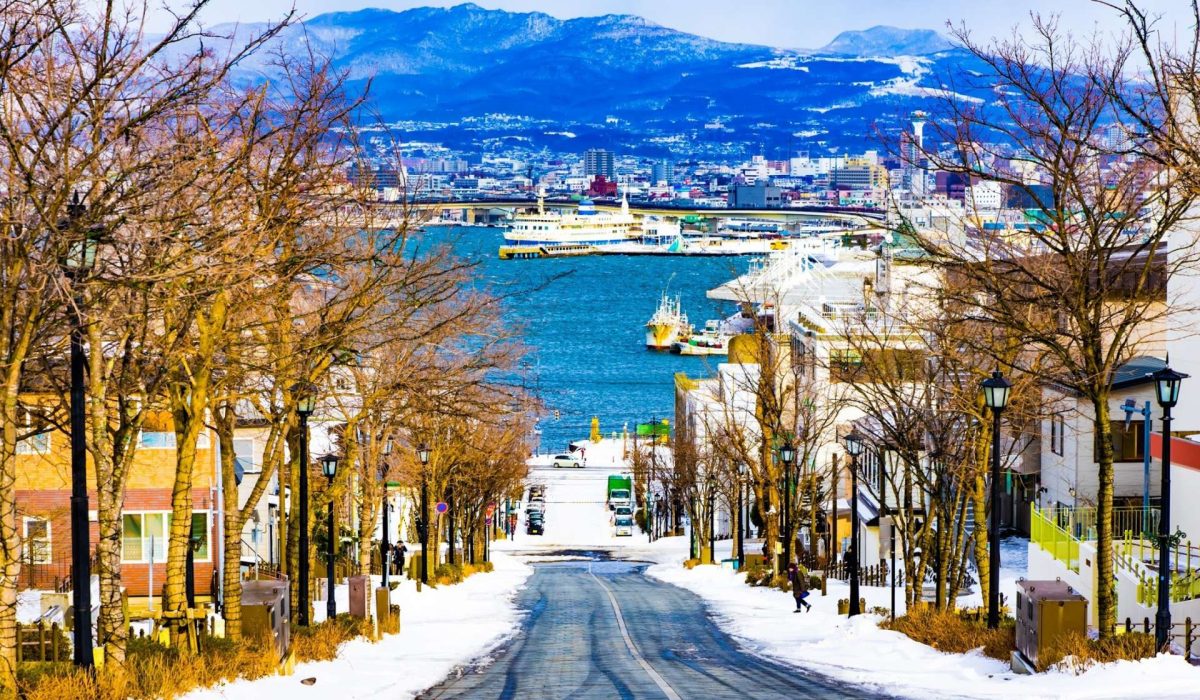
- Synthesis of East and West: The city’s atmosphere carries a rare “retro-European” feel within Japan. The Motomachi area, in particular, creates a sense of stepping back in time with its cobblestone streets and historic consulate buildings.
- Life Closely Connected to the Sea: As a port city, Hakodate’s identity is reinforced by its deep connection to seafood. The early-morning Hakodate Morning Market (Asaichi) stands at the heart of the city’s passion for fresh flavors and its fishing culture.
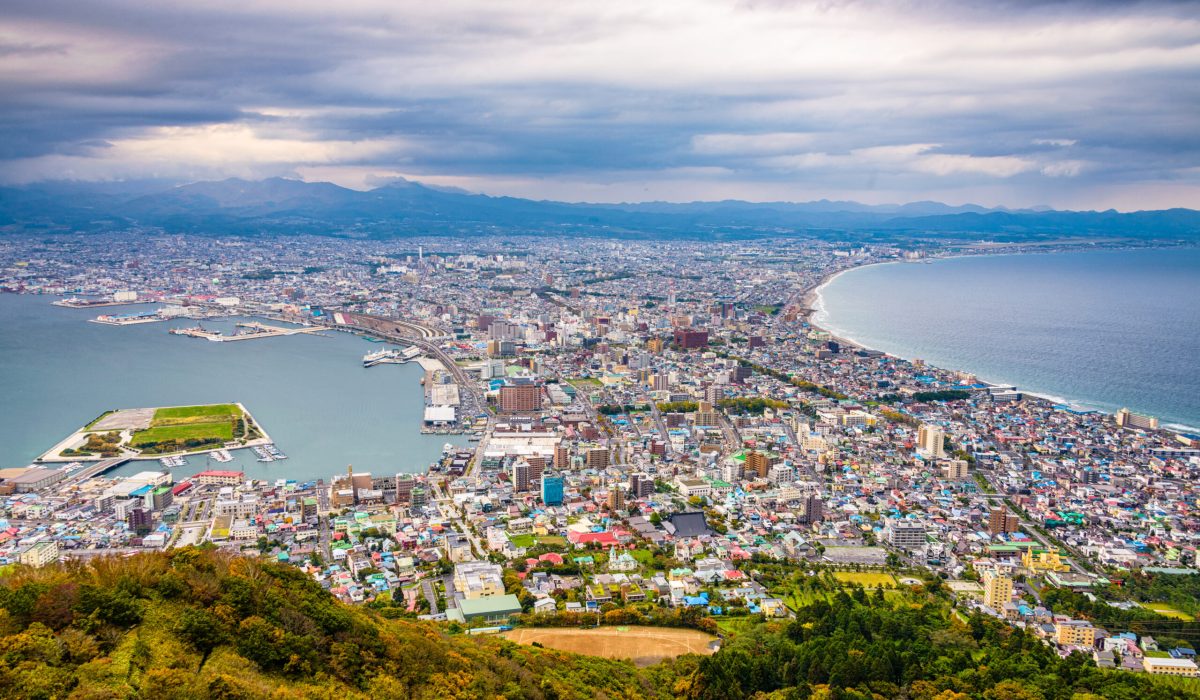
- The Million Dollar View: The city is famous for the view from Mount Hakodate, often cited as one of the world’s top three night views. The iconic arc-shaped lights of the city, nestled between two bays, are an inseparable part of its identity. ,,
Where History and Scenery Meet
Hakodate’s appeal comes from its concentration of historical and natural beauty within a compact area.
Mount Hakodate (Hakodate-yama)
Reached by cable car, this 334-meter summit offers a breathtaking panorama of the city and the Tsugaru Strait. After sunset, the city lights create an unforgettable scene known as the “Ten Million Dollar View.”
Motomachi District
It is the heart of Hakodate’s international heritage. This hillside area, where foreign merchants and diplomats settled after the port opened, is filled with historic churches, including Russian Orthodox and Catholic churches, the former British Consulate, and elegant Western-style residences.
Goryokaku Fort
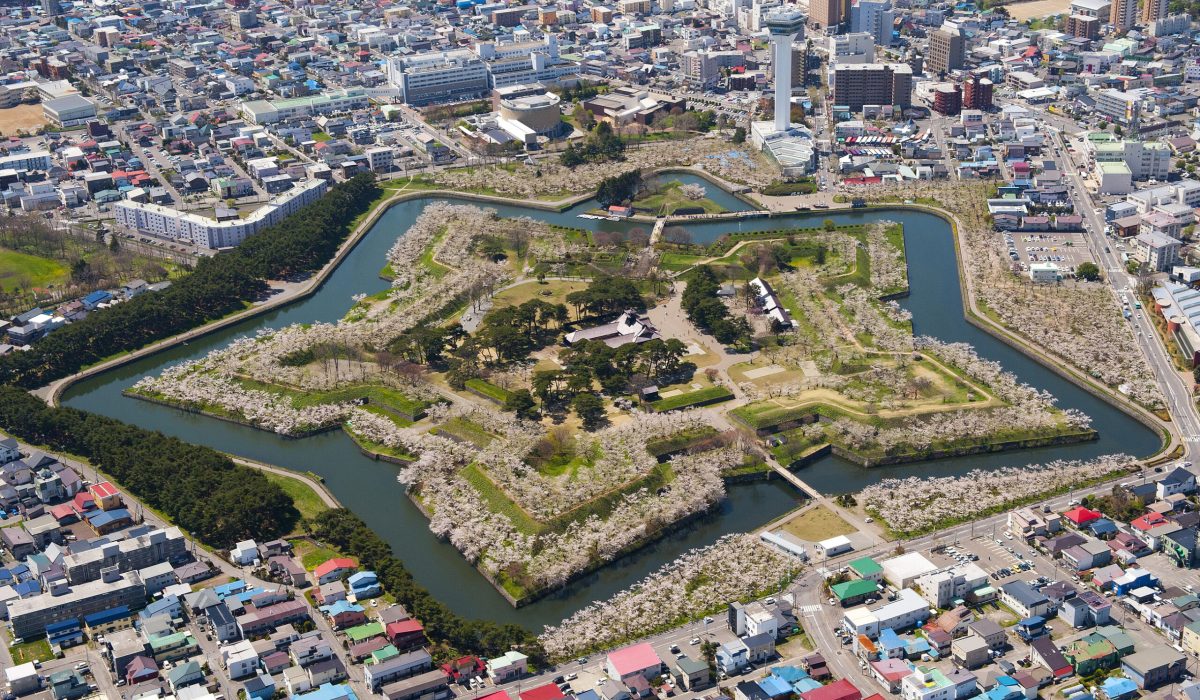
Goryokaku is Japan’s first Western-style fortress, a massive five-pointed star-shaped structure. It was originally built by the shogunate as a defensive line against the Russian threat. Later, it became the final stronghold of the Boshin War, where forces loyal to the Tokugawa Shogunate made their last stand and briefly established the Ezo Republic. Today, it serves as a magnificent public park, especially celebrated during the cherry blossom season.
Kanemori Red Brick Warehouses (Bay Area)
Located in the port area, these restored historic warehouses now house stylish shops, restaurants, and breweries. They offer a nostalgic and romantic atmosphere.
- Cuisine: Fresh Seafood and the Legendary “Shio Ramen”
Hakodate’s cuisine is built around fresh seafood and stands out with its distinctive local specialties.
Hakodate Morning Market (Asaichi): It is the ideal place to start the day. Visitors can enjoy freshly prepared kaisen-don, rice bowls topped with seafood such as sea urchin (uni), salmon roe (ikura), and crab. The live squid fishing tanks are also one of the market’s most famous attractions. - Shio Ramen (Salt Ramen): Alongside Sapporo’s miso and Asahikawa’s shoyu soy sauce ramen, Hakodate is known for shio ramen, one of Hokkaido’s three major ramen styles. It features a clear, light yet flavorful broth, typically made with chicken or pork bones and kombu kelp.
- Squid (Ika): Squid is Hakodate’s official city fish and is found everywhere. Fresh ika sashimi raw squid is one of the city’s signature delicacies.