



Nagoya: Japan’s Industrial Powerhouse and Samurai Heritage
- Homepage
- Nagoya: Japan’s Industrial Powerhouse and Samurai Heritage
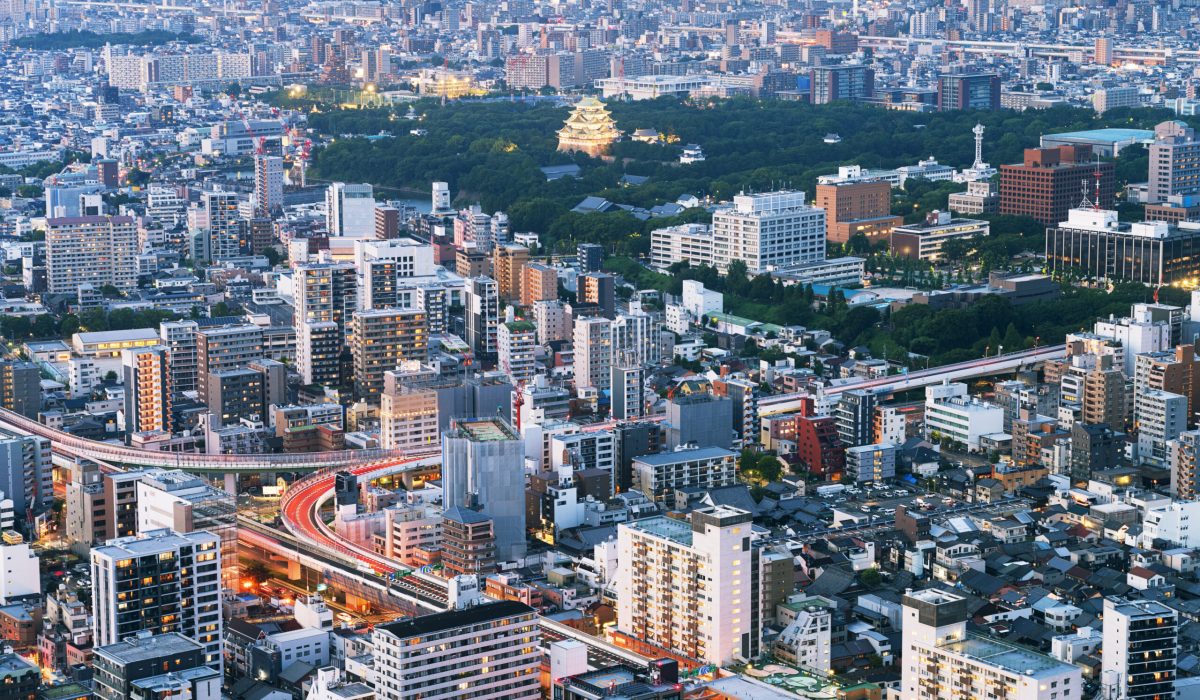
Nagoya, Japan’s fourth-largest city and the capital of Aichi Prefecture, is located at the very heart of the country, strategically positioned between Tokyo and Osaka. In addition to being one of Japan’s strongest industrial engines, it is also the hometown of three great feudal lords who unified the nation (Oda Nobunaga, Toyotomi Hideyoshi, and Tokugawa Ieyasu), giving the city a deep-rooted samurai heritage.
Nagoya is a pragmatic and powerful metropolis that brings together futuristic industrial facilities, magnificently reconstructed castles, and a distinctive, rich culinary culture.
The Rhythm of the City: Pragmatism, Production, and Local Pride
The rhythm of daily life in Nagoya is built around “production” and “efficiency.”
• Industrial Heart: Home to the headquarters of the globally renowned Toyota Motor Corporation as well as numerous automotive and aerospace (Mitsubishi) companies, Nagoya is Japan’s manufacturing and engineering hub. This has shaped the city’s lifestyle with a hardworking and pragmatic character.
• Central Transportation Hub: Its central location within Japan makes the city a vital logistics and transportation center, including the Shinkansen high-speed rail line.
• Strong Local Identity: The people of Nagoya take pride in their unique culture, dialect, and especially their cuisine, which is distinctly different from that of Tokyo or Osaka. It is a place with an original identity that refuses to live in the shadow of other major cities.
Where History and Technology Meet
Nagoya presents its industrial legacy and feudal past side by side.
Nagoya Castle (Nagoya-jō)
Built by Tokugawa Ieyasu, this castle is the city’s most important symbol. Although it was destroyed during World War II, it has been faithfully reconstructed. The legendary golden shachihoko (tiger-headed carp) figures adorning the roof symbolize the city’s wealth and power.
Atsuta Jingu (Atsuta Shrine)
One of Japan’s most sacred Shinto shrines, it is believed to house the legendary Kusanagi-no-Tsurugi (Grass-Cutting Sword), one of the three Imperial Regalia of Japan. The shrine’s vast, forested grounds form a peaceful oasis in the middle of the city.
Osu Kannon and Shopping District
Developed around Osu Kannon Temple, this area resembles a blend of Tokyo’s Akihabara and Asakusa. Alongside traditional temples, its covered shotengai (shopping arcades) are a hub for pop culture, electronics, second-hand clothing, and street food.
Sakae District
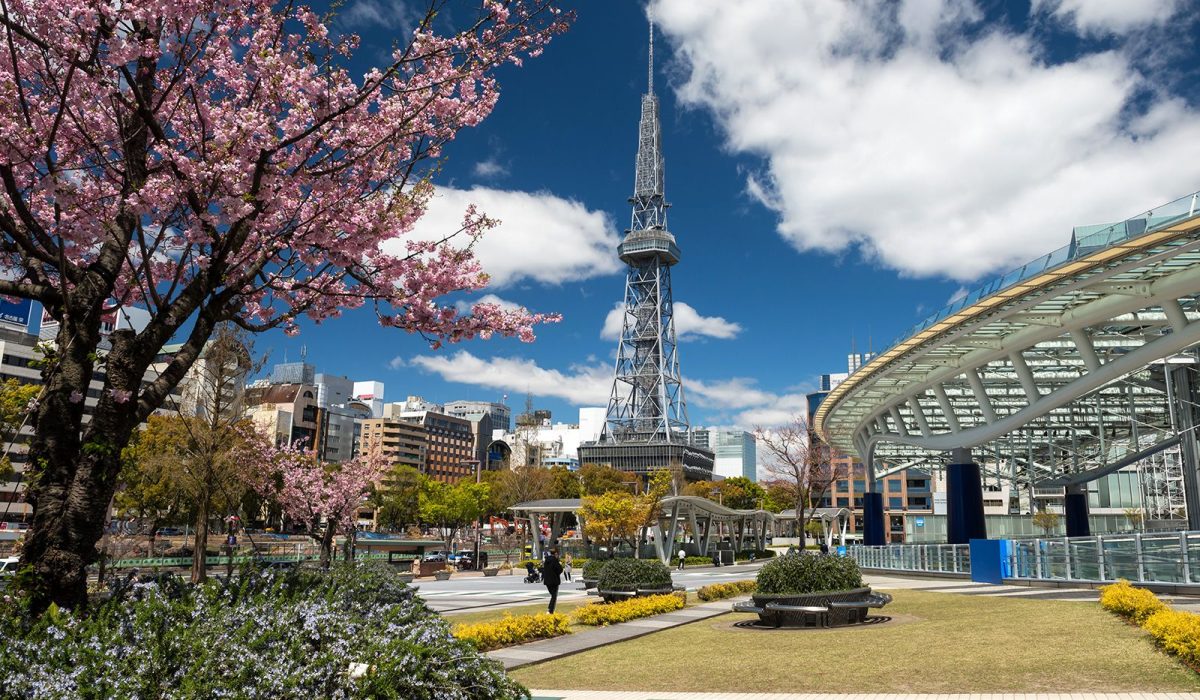
This is Nagoya’s modern shopping and entertainment center. It features contemporary architectural landmarks such as Oasis 21, a futuristic glass-roofed terminal and park floating above water, and the Nagoya TV Tower.
Cuisine: The Unique and Rich “Nagoya Meshi”
Perhaps Nagoya’s most distinctive feature is its unique and flavorful cuisine known as Nagoya Meshi. This cuisine often relies on bold flavors such as hatcho miso, a dark and richly fermented soybean paste.
• Miso Katsu: Traditional tonkatsu (breaded pork cutlet) served with a sweet and rich red miso sauce poured on top.
• Hitsumabushi: A grilled eel (unagi) dish served over rice, famous for being eaten in three stages: first plain, then with condiments such as green onions and wasabi, and finally with dashi broth or tea poured over it.
• Tebasaki: Crispy, spicy, and flavorful fried chicken wings.
• Kishimen: A type of noodle flatter and wider than traditional udon, with a distinctive texture.
Nagoya may not be as flashy as Tokyo or as historically elegant as Kyoto, but it is an authentic and significant city that forms the backbone of Japan’s economic power, with a rich history and one of the country’s most distinctive culinary cultures.